Hard veto 01
Length
more than 1.5 cm apart
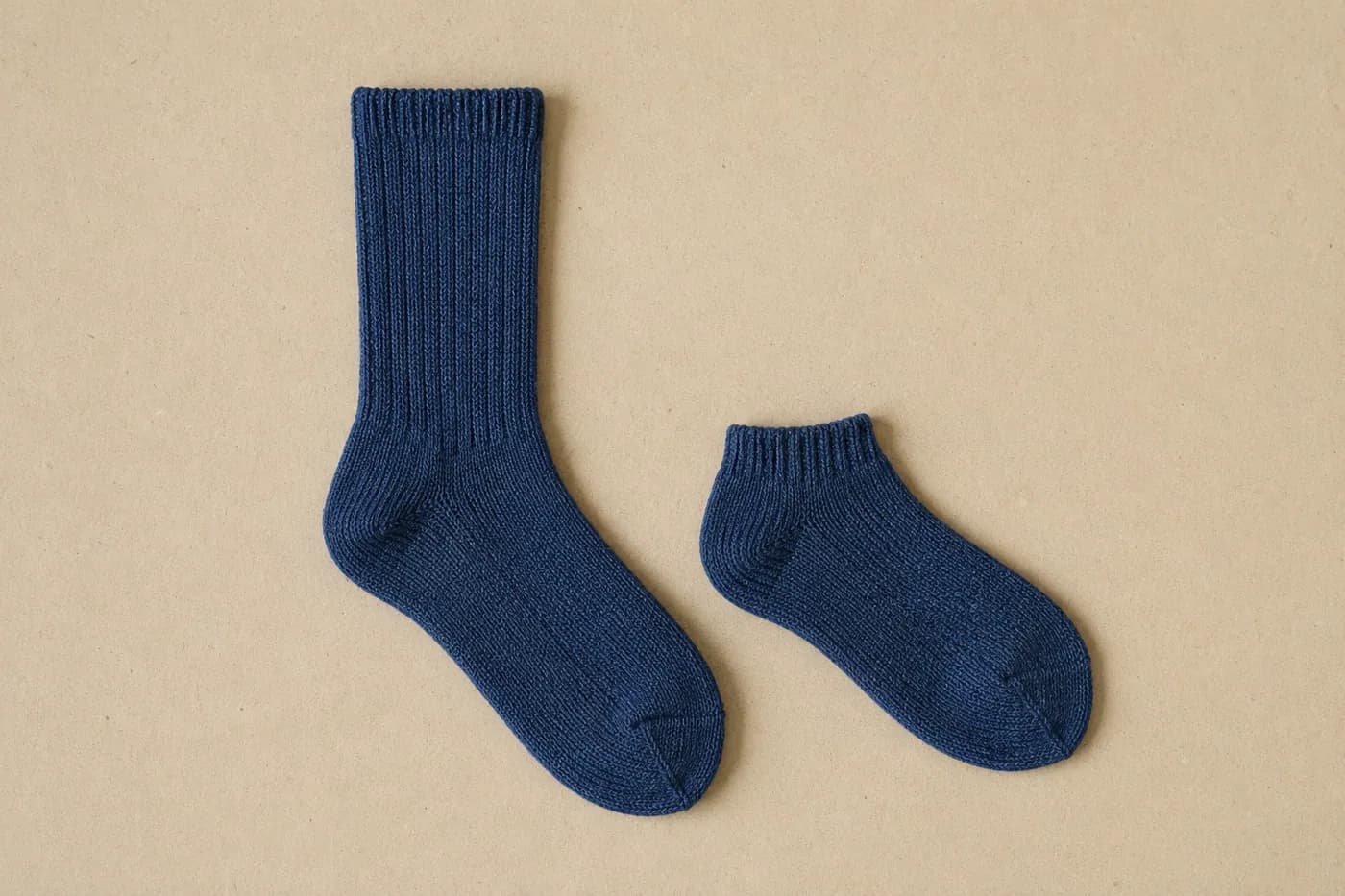
One reaches mid-calf, the other stops at the ankle. It does not matter that the blue is the same blue. Anything over a centimetre and a half shows the moment you stand.
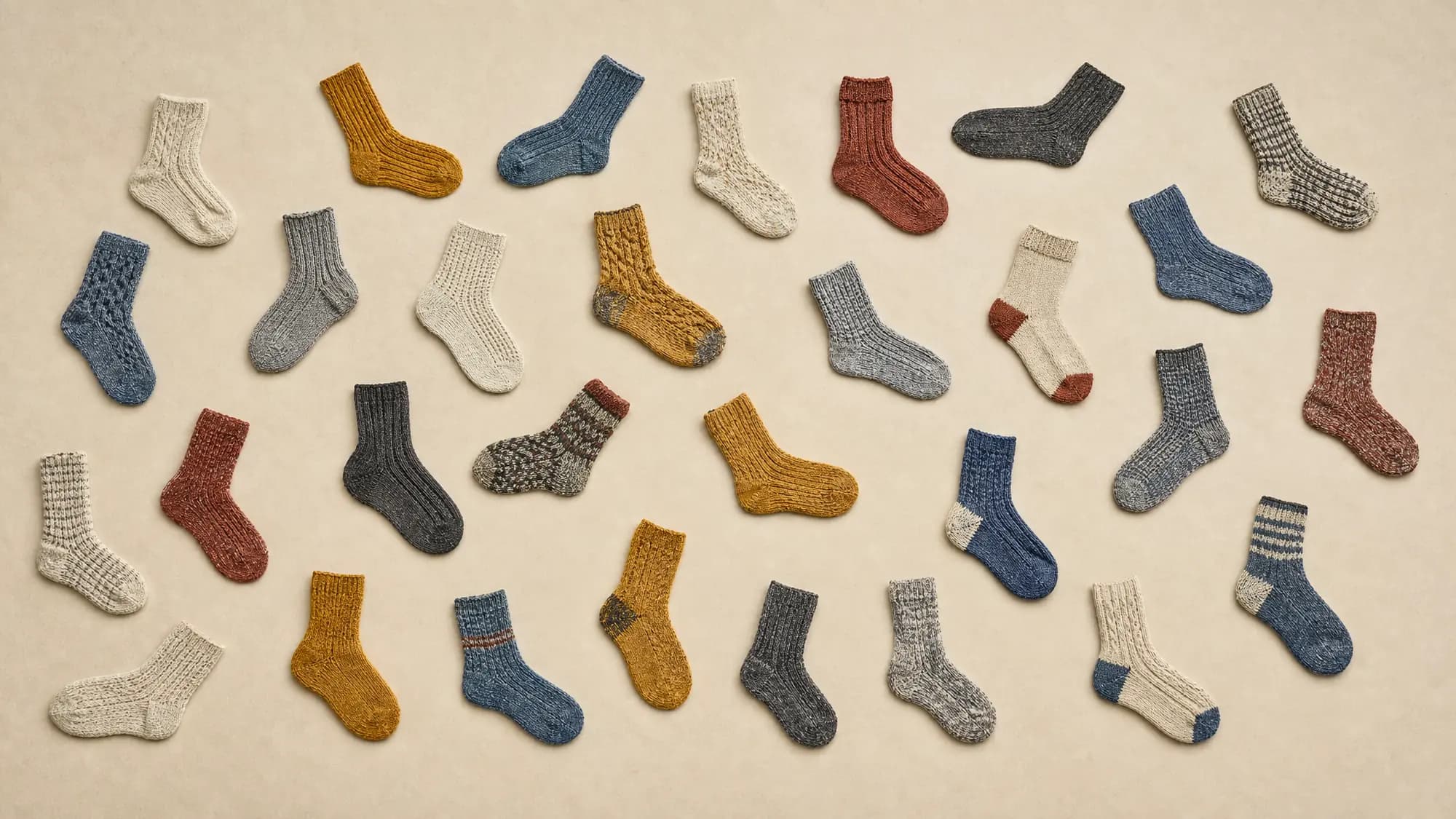
A pile of odd socks, regrouped
Not a way of finding the one that went missing. A way of taking what is left and pairing it up so it reads as chosen rather than careless — and of naming the few that never will, so you can stop keeping them.
Colour echo · pattern family · knit weight — checked after length and cuff width, never before
Try it on someone else’s drawer
No account, no upload. This is a real pile run through the same matcher the product uses, in your browser.
18
singles in the pile
7
pairs that read as chosen
6
combinations that nearly worked
4
that never will
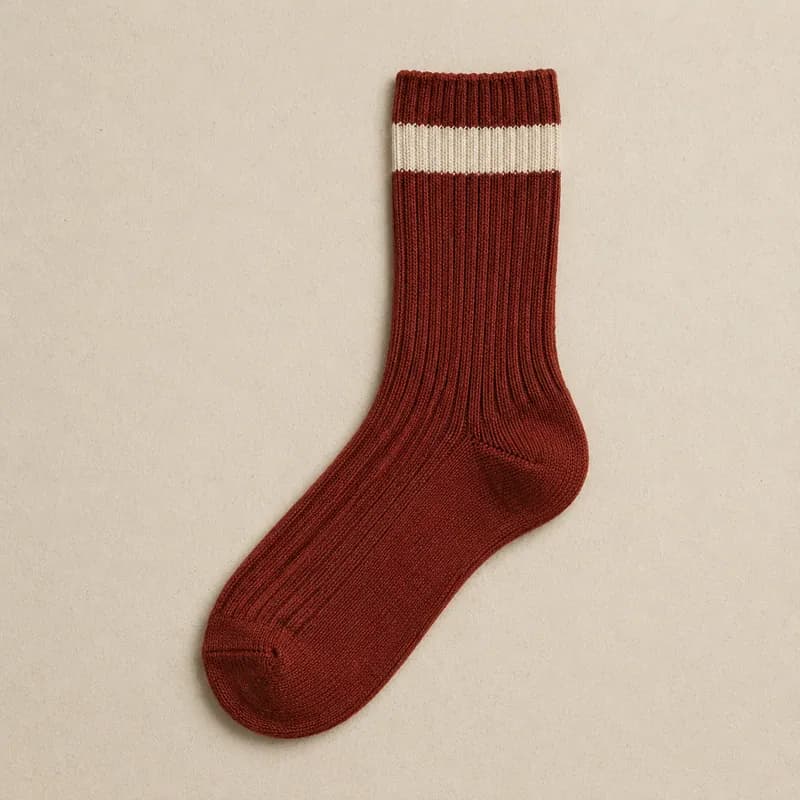
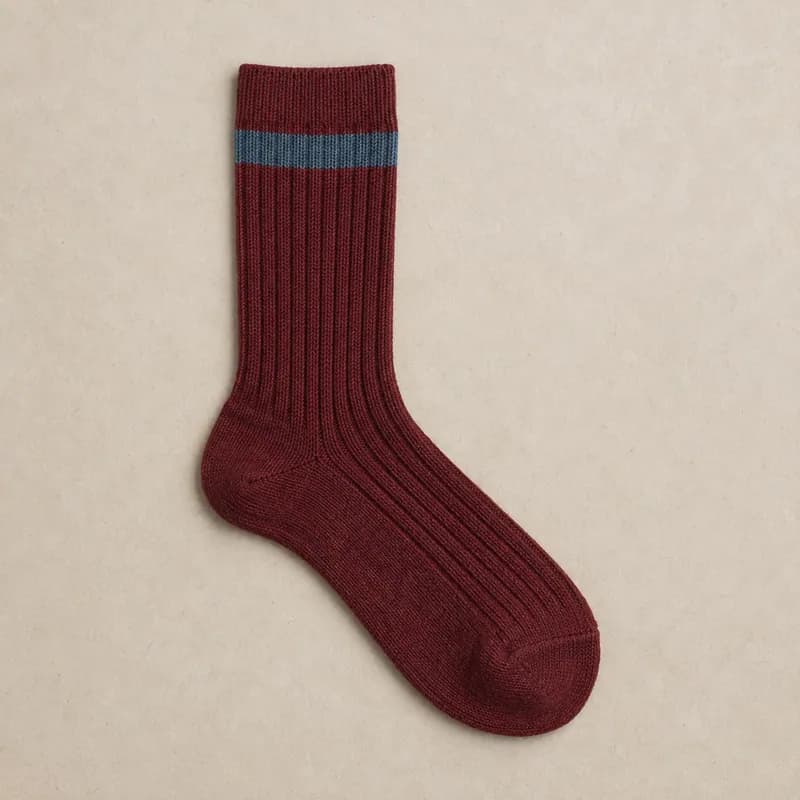
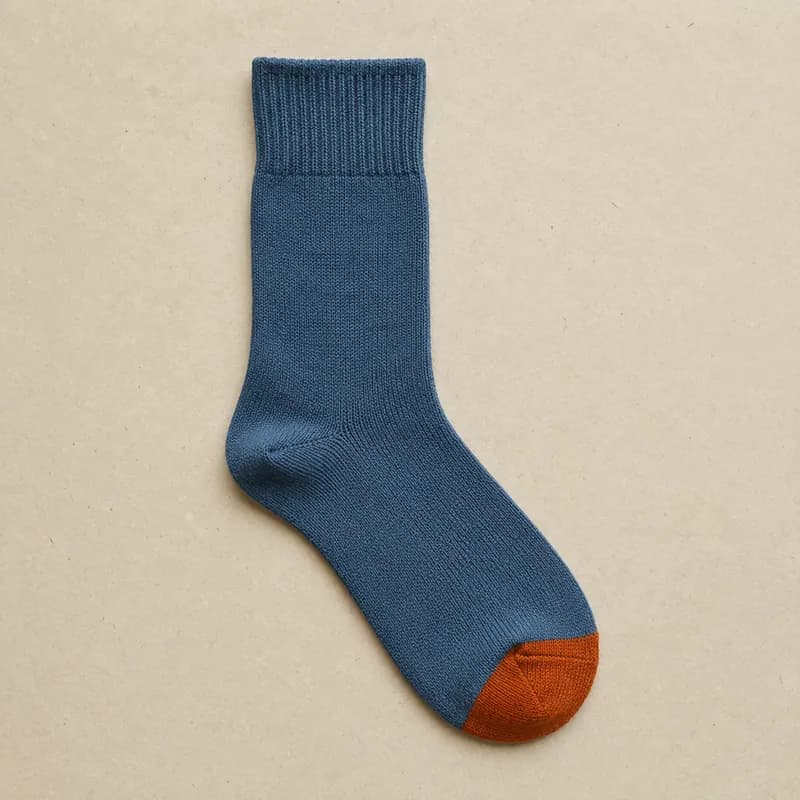
Burgundy ribbed, slate cuff stripe + Slate plain, rust toe
Length 22.0 cm both · cuff 62 mm both
Slate blue appears twice: as the cuff stripe on one, and as the whole body of the other. One colour in two different places is what makes an odd pair read as chosen rather than careless. Burgundy against slate blue is far enough apart that nobody reads it as a failed match. Contrast only works when it is decisive — it is the near misses that look careless. Both sit in the same pattern family, so neither is trying to be the interesting one. Same knit weight, so the two read at one thickness from across a room.
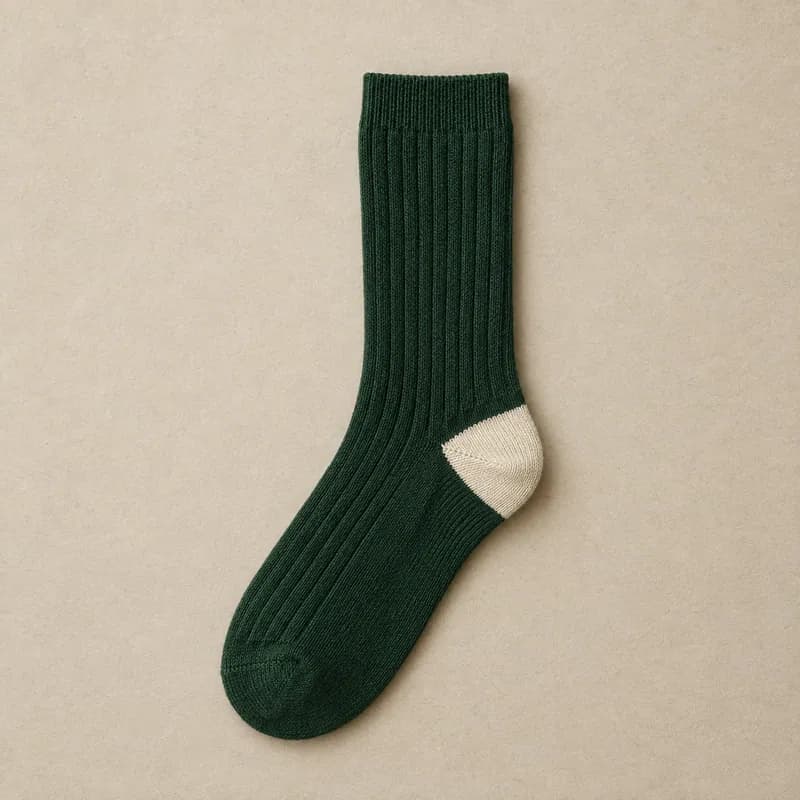
Brick ribbed, cream cuff band + Forest ribbed, cream heel
Length 22.0 cm both · cuff 62 / 66 mm
Cream appears twice, in two unlike positions — the cuff band on one, the heel on the other. Repeat one colour in two places and the pair reads as deliberate. Brick against forest green is far enough apart that nobody reads it as a failed match. Contrast only works when it is decisive — it is the near misses that look careless. Both sit in the same pattern family, so neither is trying to be the interesting one. Same knit weight, so the two read at one thickness from across a room.
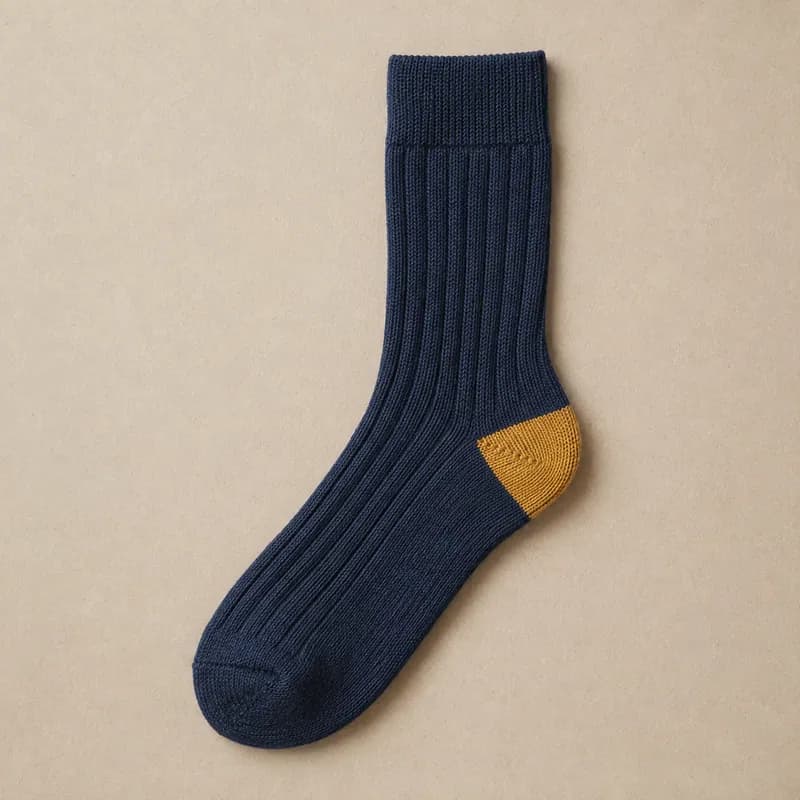
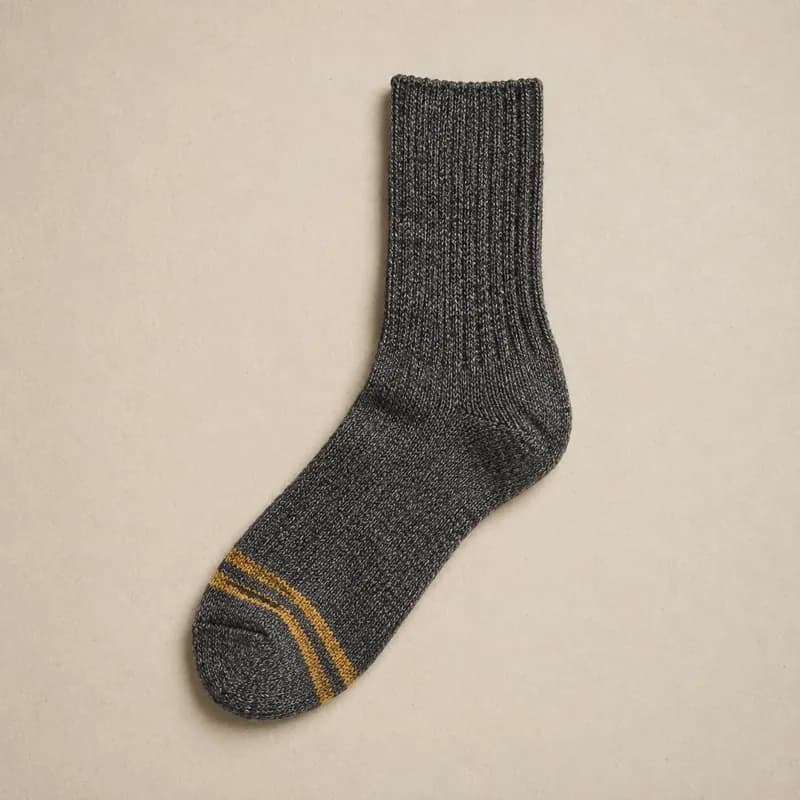
Navy ribbed, mustard heel + Charcoal marl, mustard toe stripes
Length 22.0 cm both · cuff 62 / 61 mm
Mustard appears twice, in two unlike positions — the heel on one, the toe stripes on the other. Repeat one colour in two places and the pair reads as deliberate. Navy against charcoal is far enough apart that nobody reads it as a failed match. Contrast only works when it is decisive — it is the near misses that look careless. Same knit weight, so the two read at one thickness from across a room.
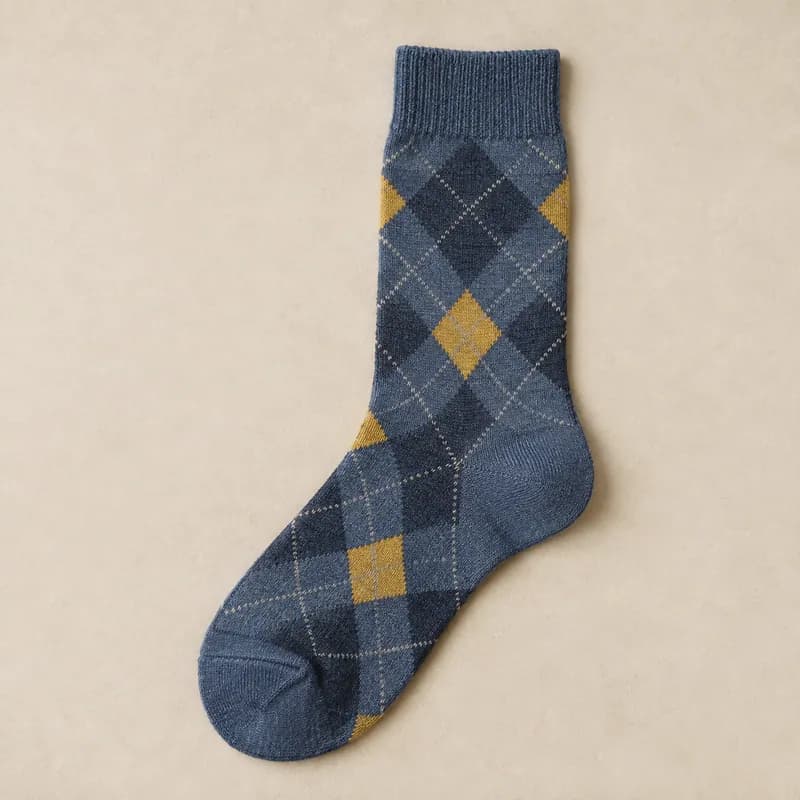
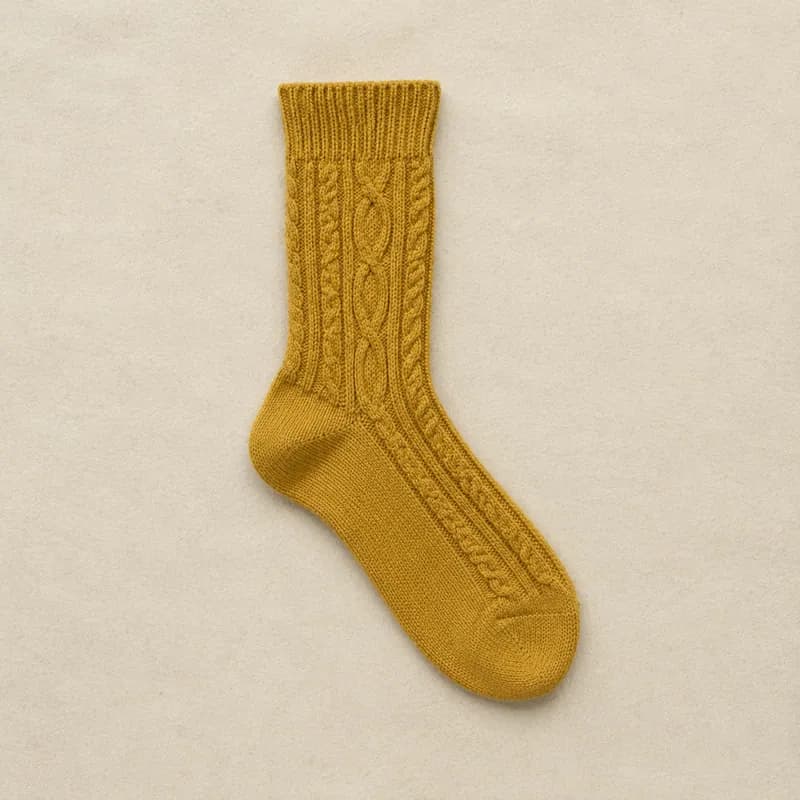
Slate argyle, mustard diamonds + Mustard cable
Length 22.0 cm both · cuff 62 / 63 mm
Mustard appears twice: as the diamonds on one, and as the whole body of the other. One colour in two different places is what makes an odd pair read as chosen rather than careless. Slate blue against mustard is far enough apart that nobody reads it as a failed match. Contrast only works when it is decisive — it is the near misses that look careless.
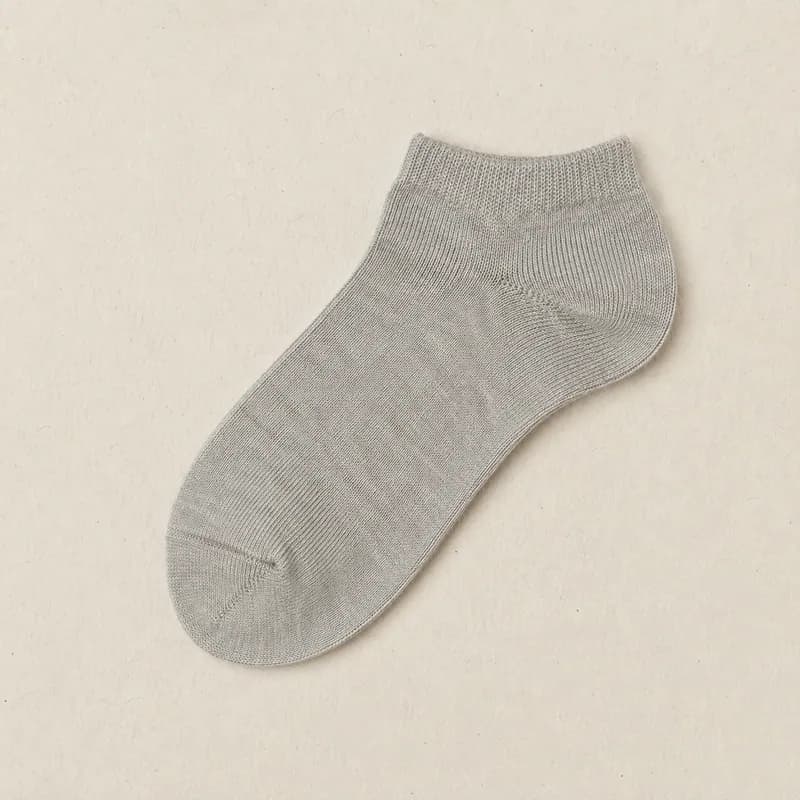
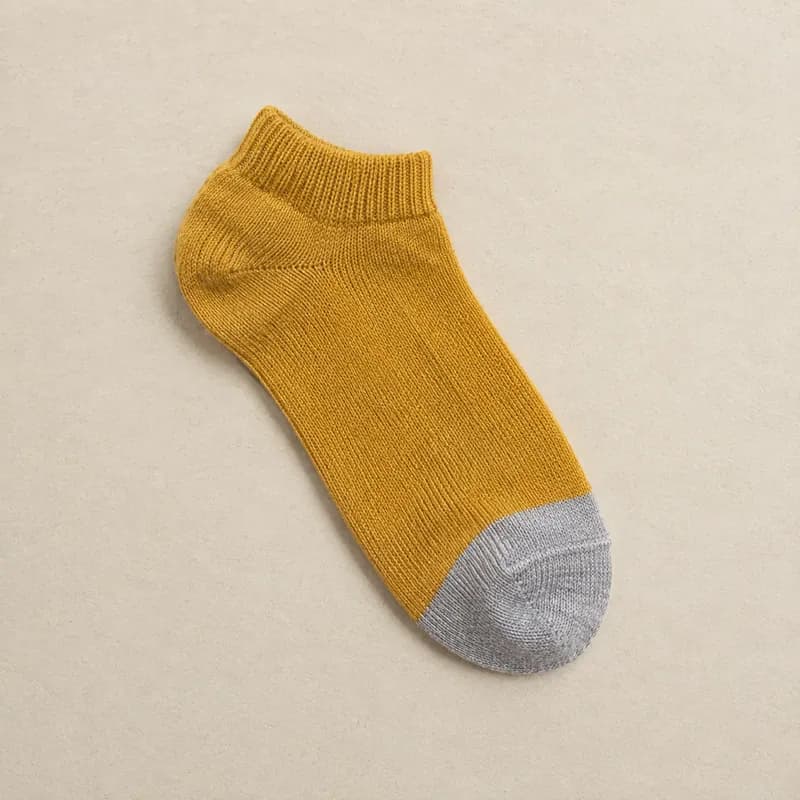
Heather grey ankle + Mustard ankle, grey toe
Length 14.0 cm both · cuff 55 mm both
Heather grey appears twice: as the toe on one, and as the whole body of the other. One colour in two different places is what makes an odd pair read as chosen rather than careless. Both sit in the same pattern family, so neither is trying to be the interesting one. Same knit weight, so the two read at one thickness from across a room.
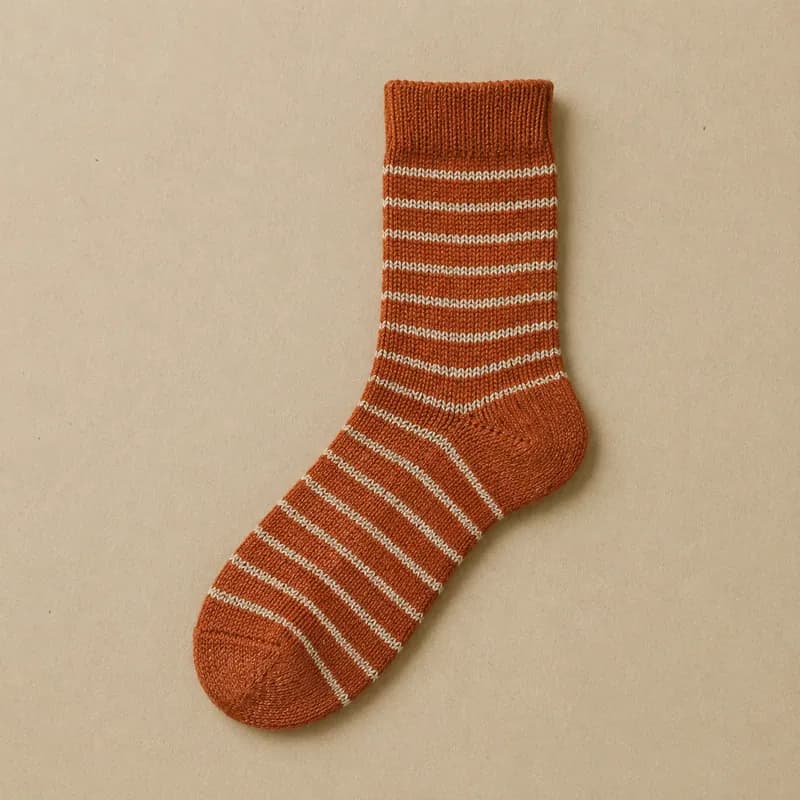
Ink blue plain + Rust, cream stripes
Length 22.0 cm both · cuff 61 mm both
Ink blue against rust is far enough apart that nobody reads it as a failed match. Contrast only works when it is decisive — it is the near misses that look careless. Same knit weight, so the two read at one thickness from across a room.
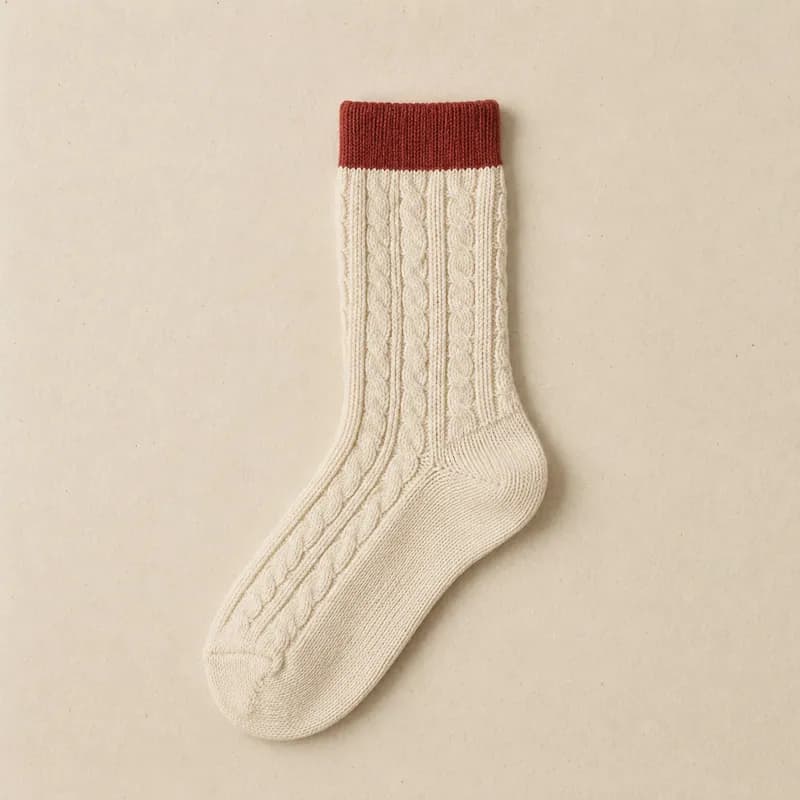
Cream cable, brick cuff band + Deep navy plain
Length 22.5 / 22.0 cm · cuff 63 / 61 mm
Cream against deep navy is far enough apart that nobody reads it as a failed match. Contrast only works when it is decisive — it is the near misses that look careless.
Length and cuff width are checked before a single colour is compared. A pair that is right on colour and wrong on length is one you only find out about once it is on.
Slate argyle, mustard diamonds and Slate plain, rust toe
Too close in colour — near enough the same shade
Mustard cable and Rust, cream stripes
Too close in colour — near enough the same shade
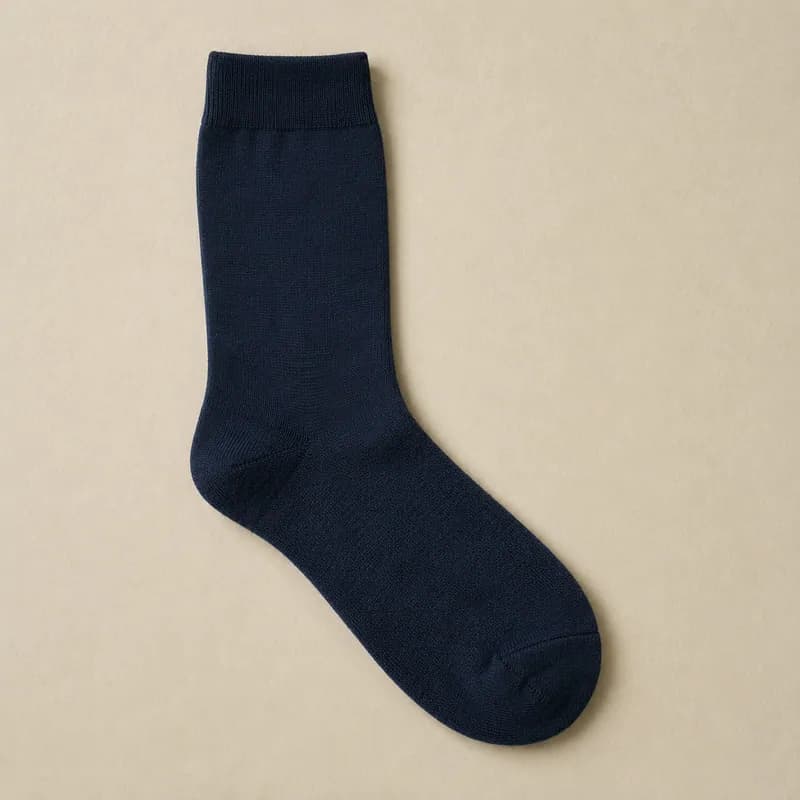
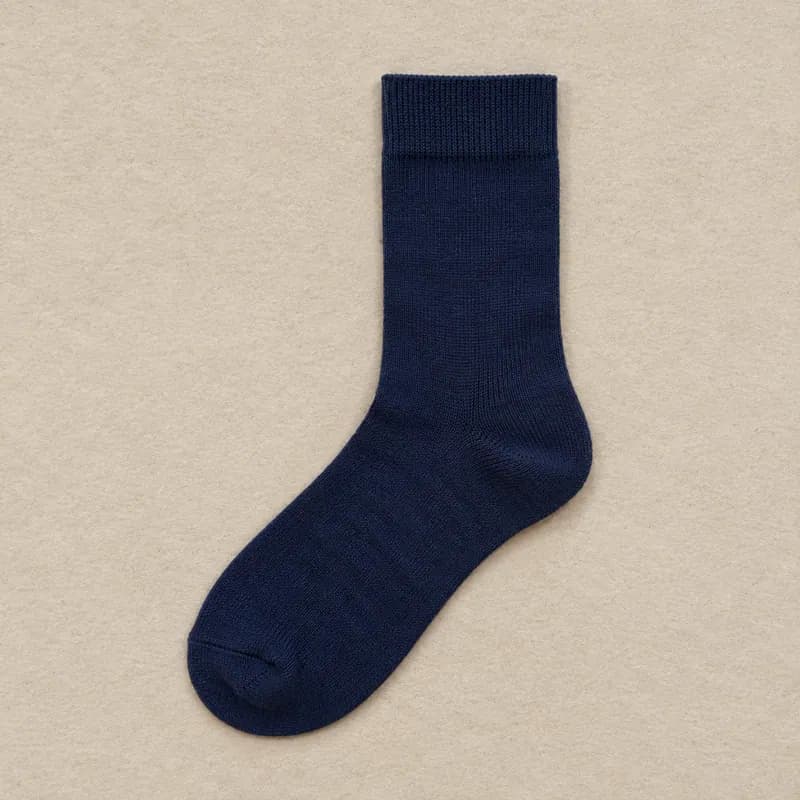
Deep navy plain and Ink blue plain
Too close in colour — near enough the same shade
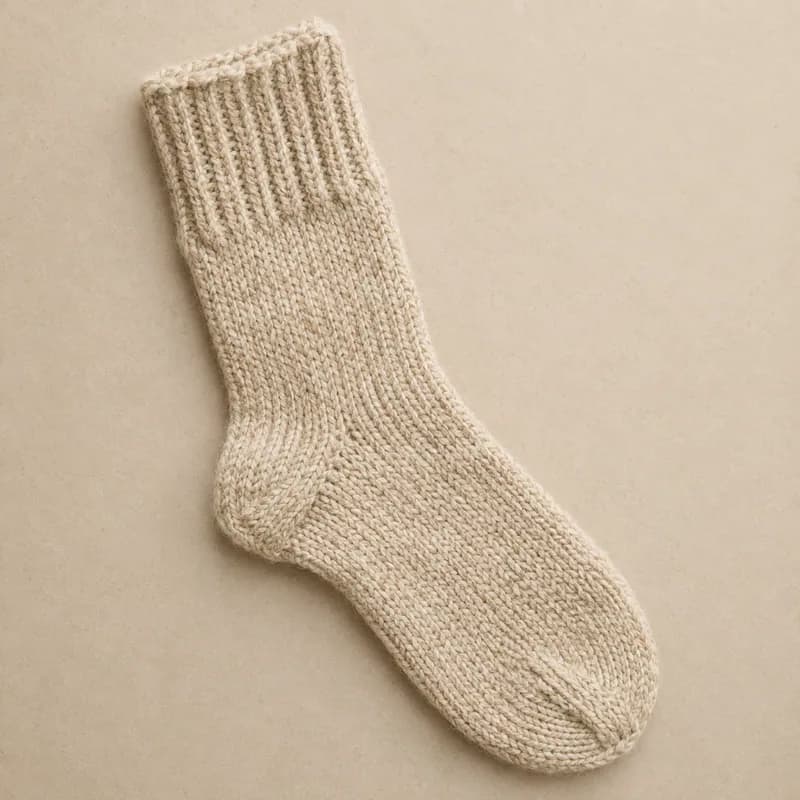
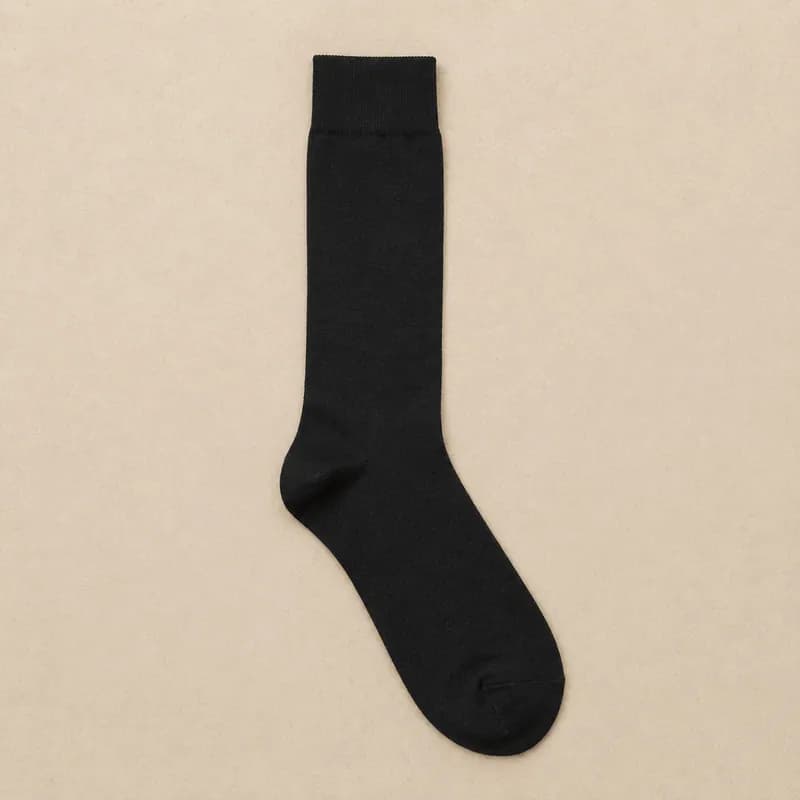
Oatmeal chunky boot sock and Black fine dress sock
Length — 2.0 cm apart in length
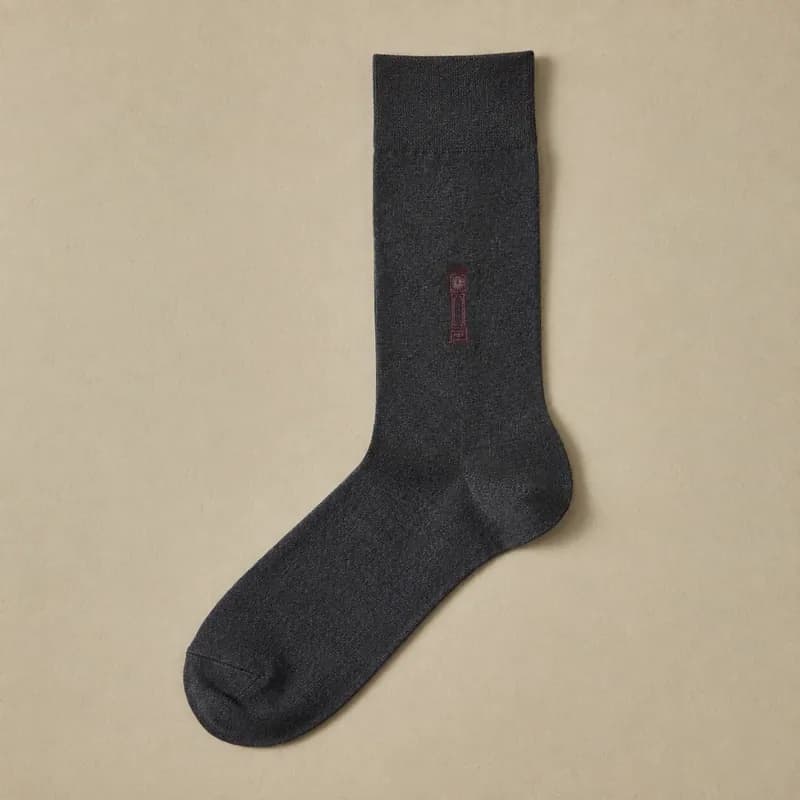
Navy ribbed, mustard heel and Charcoal fine, burgundy clock
Length — 2.0 cm apart in length
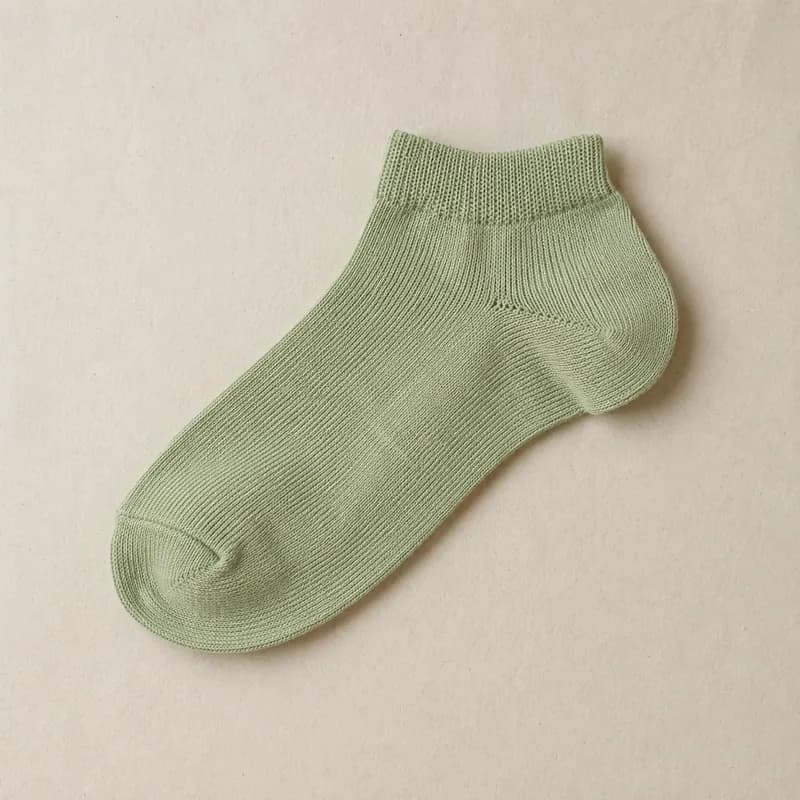
Charcoal marl, mustard toe stripes and Sage ankle
Length — 8.0 cm apart in length
Nothing in this pile works with these 4. That is the finding, and it is the end of it — what you do with them is your business, and this service has no opinion on it.
Oatmeal chunky boot sock26.0 cm · 78 mmBlack fine dress sock24.0 cm · 55 mmCharcoal fine, burgundy clock24.0 cm · 56 mmSage ankle14.0 cm · 54 mmWhat this cannot tell you
Printed with every plan, on every tier, never covered by the free-plan watermark.
Three steps, one of them optional
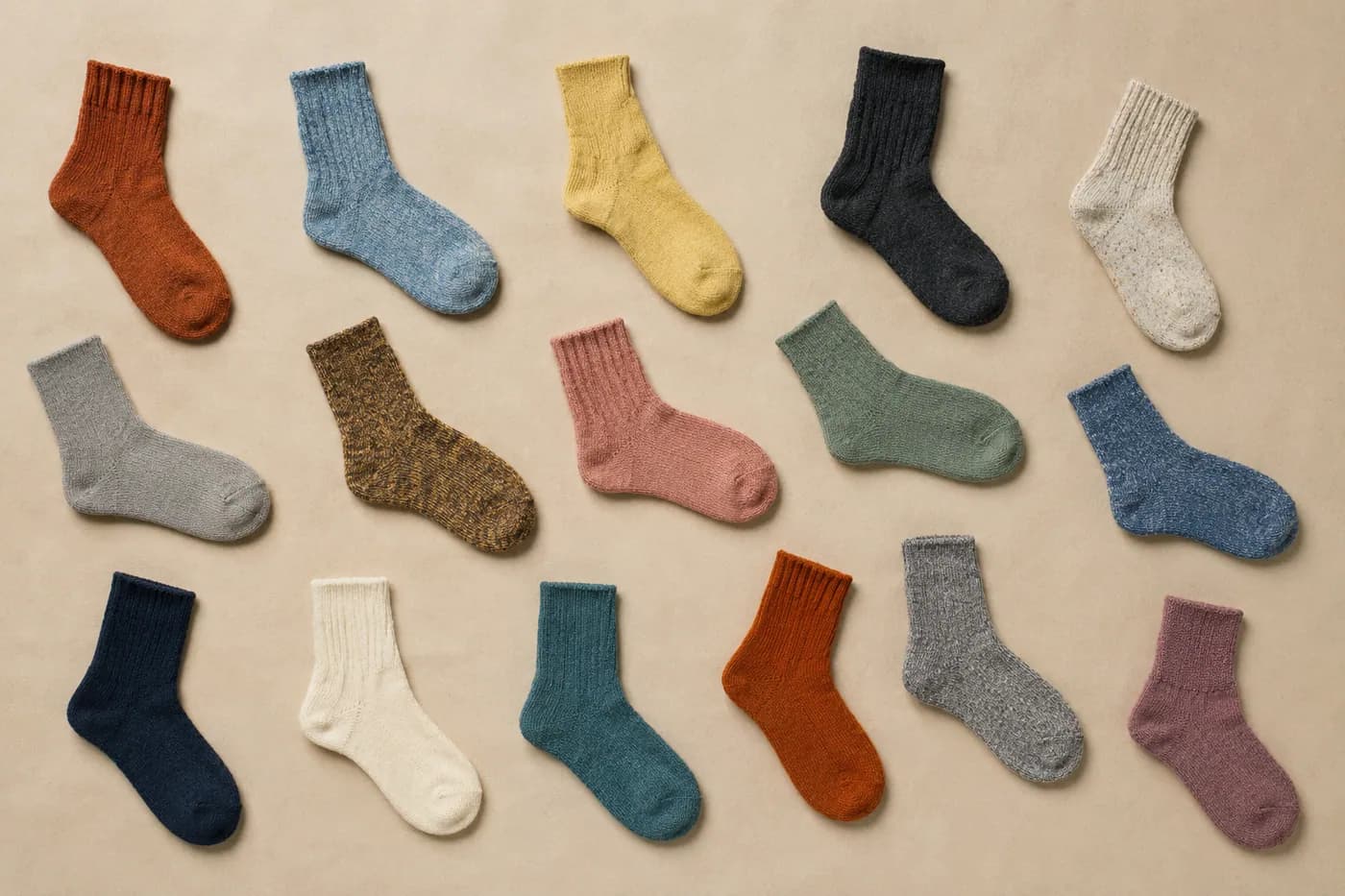
01
Empty the pile onto a bed or a table, spread the singles so none of them overlap, and photograph the lot from directly above. Several photographs are fine. Nothing is worn, and nothing with a person in it is accepted.
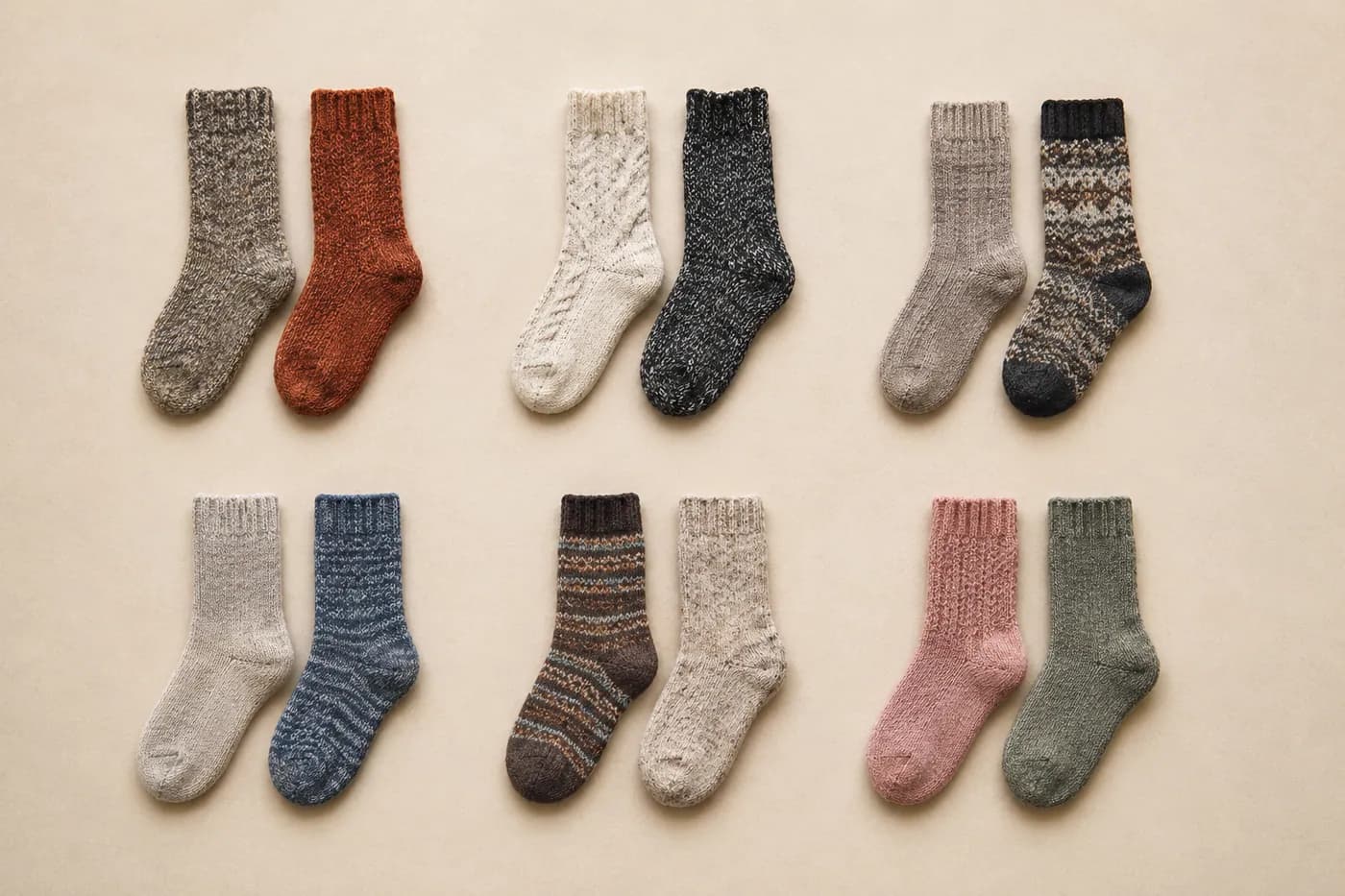
02
Each sock is read on its own: main colour, accents, pattern, length, cuff width, knit weight. The grouping is then worked out in your browser, and every group arrives with the rule that made it — a rule you can use again next time without us.
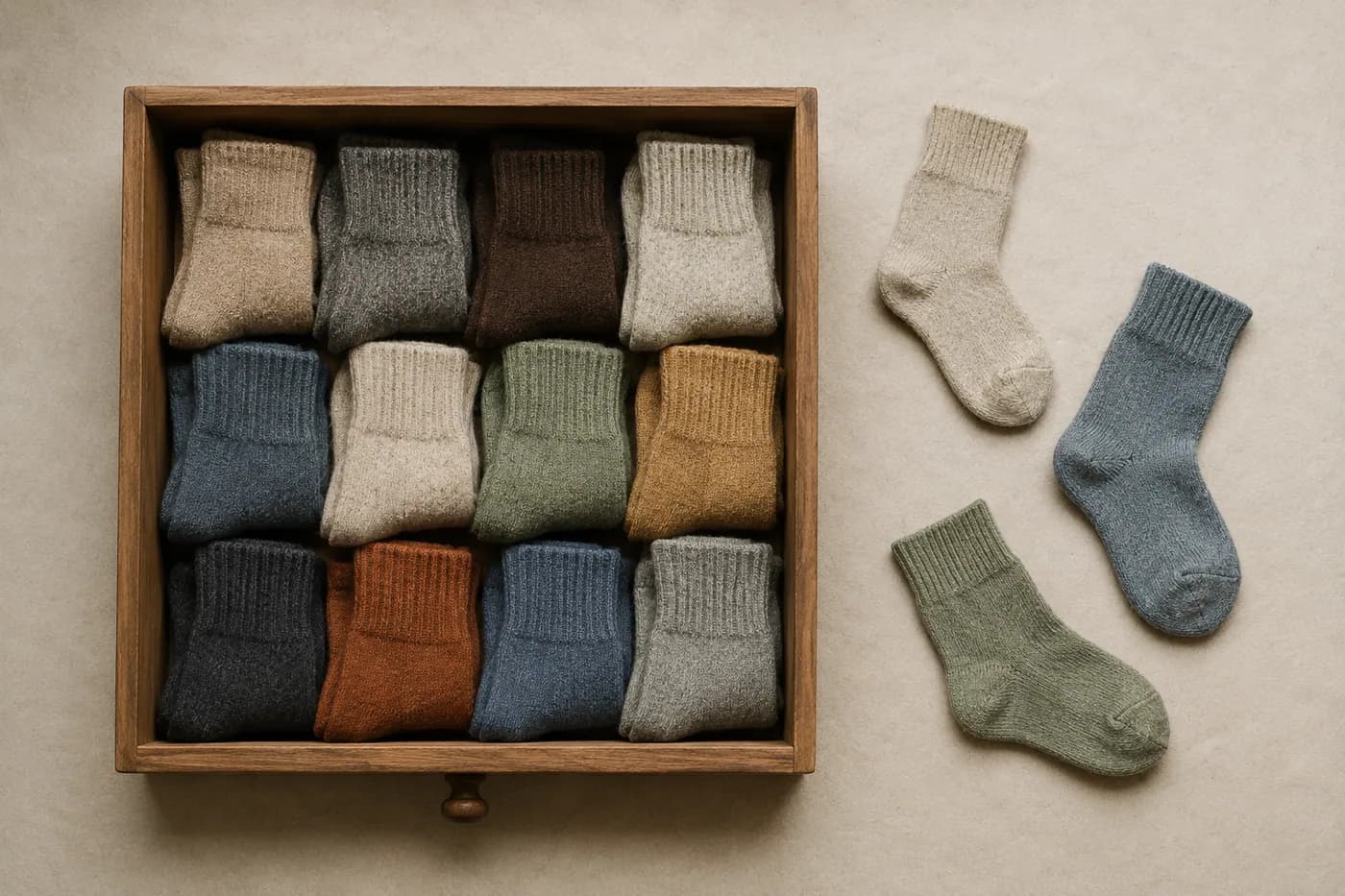
03
The plan prints as a sheet: the groups, the near misses with what each one is short of, and the ones nothing here relates to. You sort with the socks in your hands, not with a screen in one of them.
Two things colour cannot fix
Every general colour tool stops at colour, because for most clothing colour is the whole question. Socks are not most clothing. Two of them are worn at once, side by side, at the same height, and two measurements decide whether that survives being looked at.
Both are tested before a single colour is compared. A pair that is perfect on colour and wrong on length is a pair you find out about once it is on.
Hard veto 01
Length
more than 1.5 cm apart
One reaches mid-calf, the other stops at the ankle. It does not matter that the blue is the same blue. Anything over a centimetre and a half shows the moment you stand.
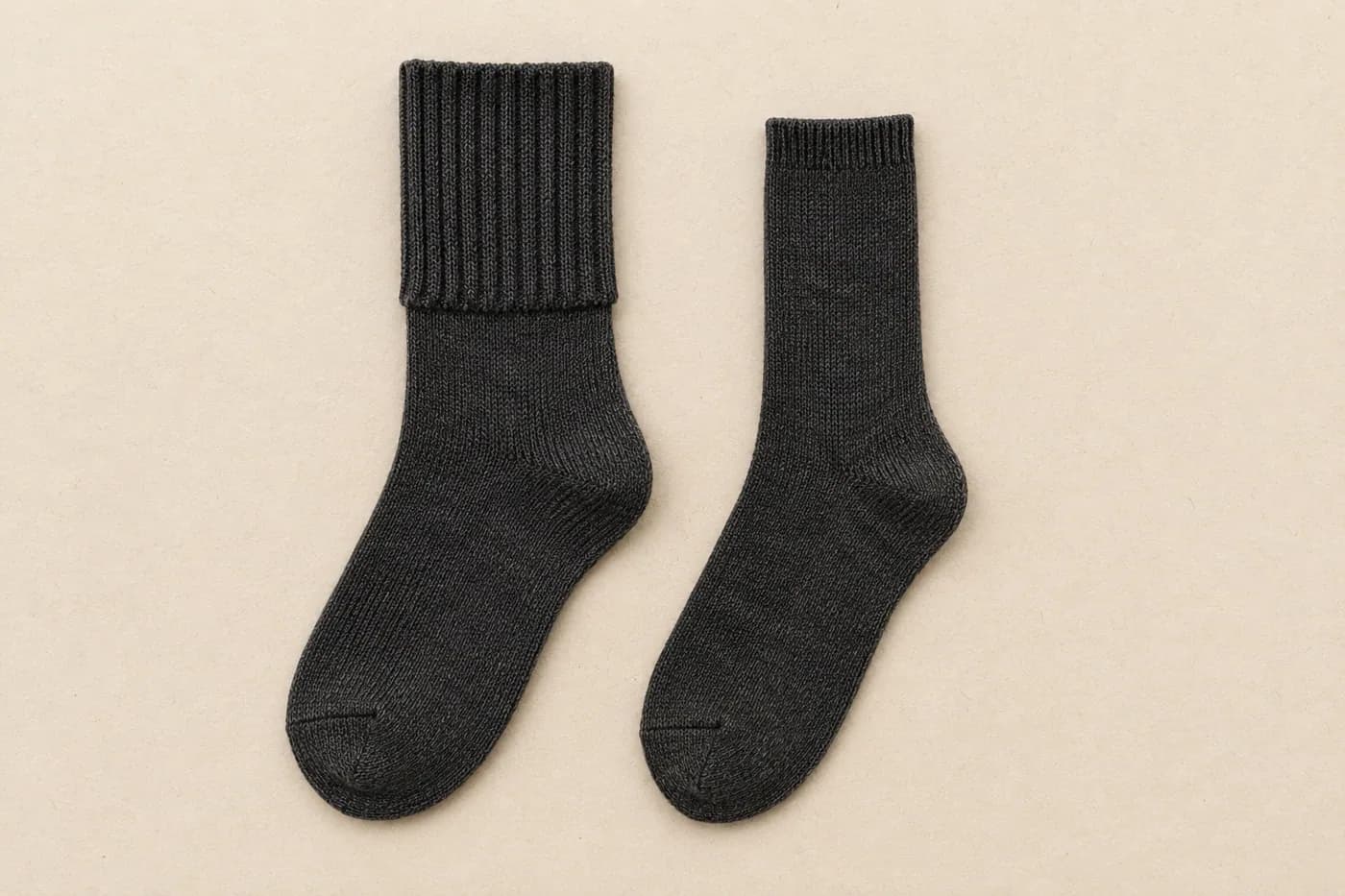
Hard veto 02
Cuff width
more than 4 mm apart
Same length, same colour, and a cuff a few millimetres apart. One rides up and one settles. It is invisible standing and obvious sitting down.
Refused, not blocked
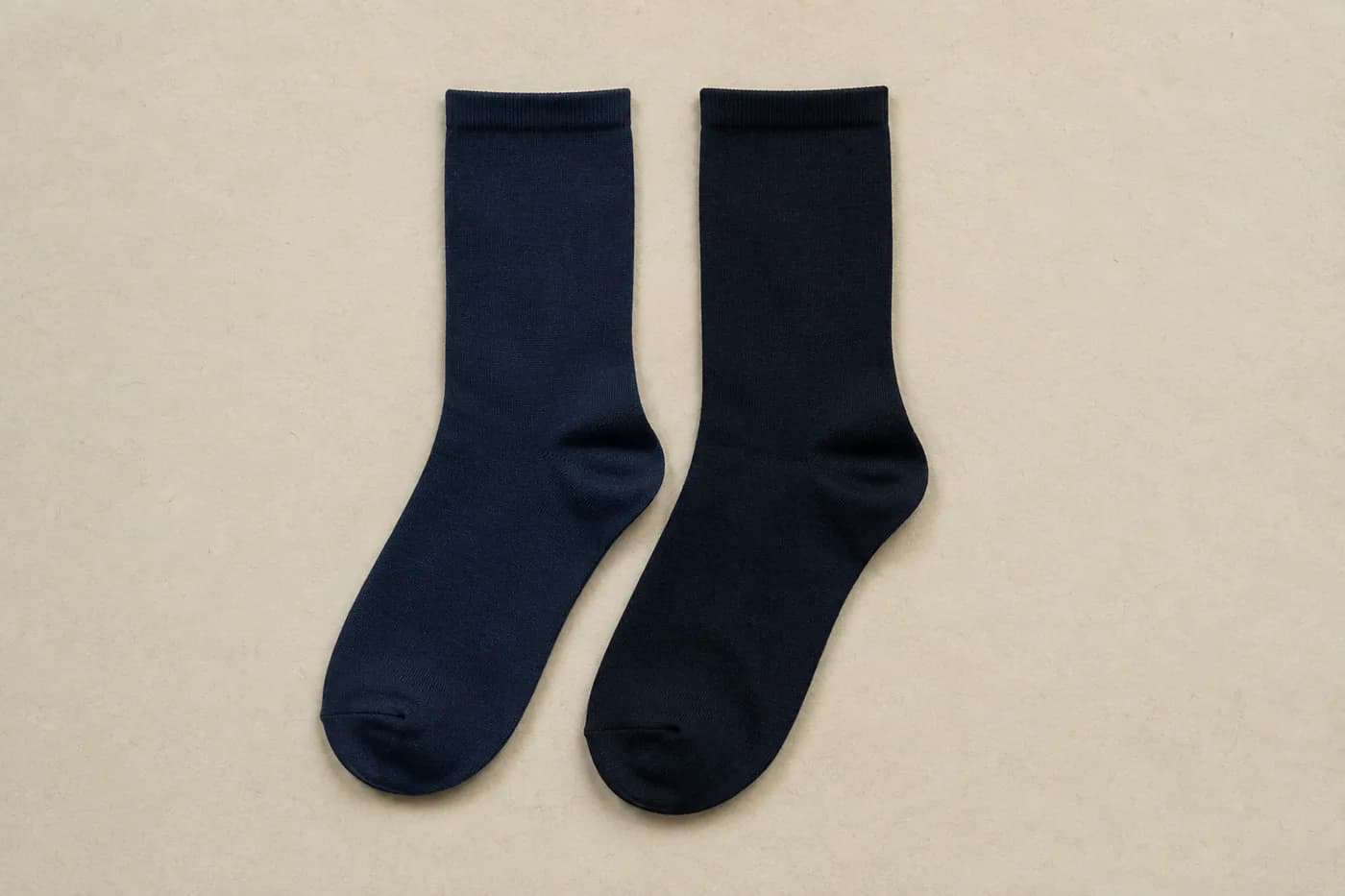
Too close in colour
same family, one step apart
The pair most people would make themselves, and the one combination that reads as a failed match rather than a decision. It is refused, and each of the two is usually better off somewhere else in the pile.
The pairing wall
A pairing without a reason is worth one use. A pairing with a reason is worth every pile you own after it. All flat, none worn, no brand and no product anywhere in the frame.
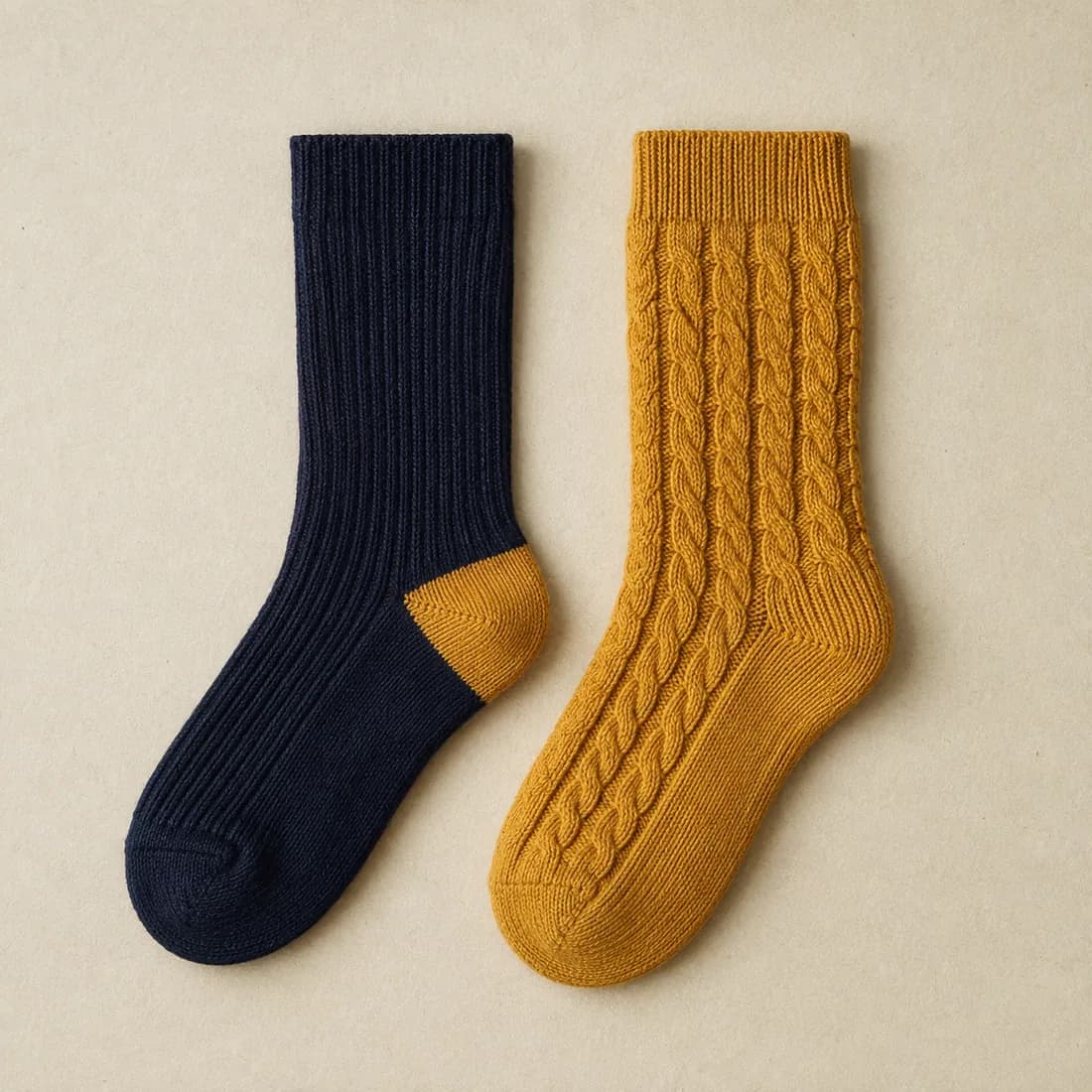
mustard, twice
The heel of one is the whole body of the other. One colour in two unlike places is the most reliable rule there is.
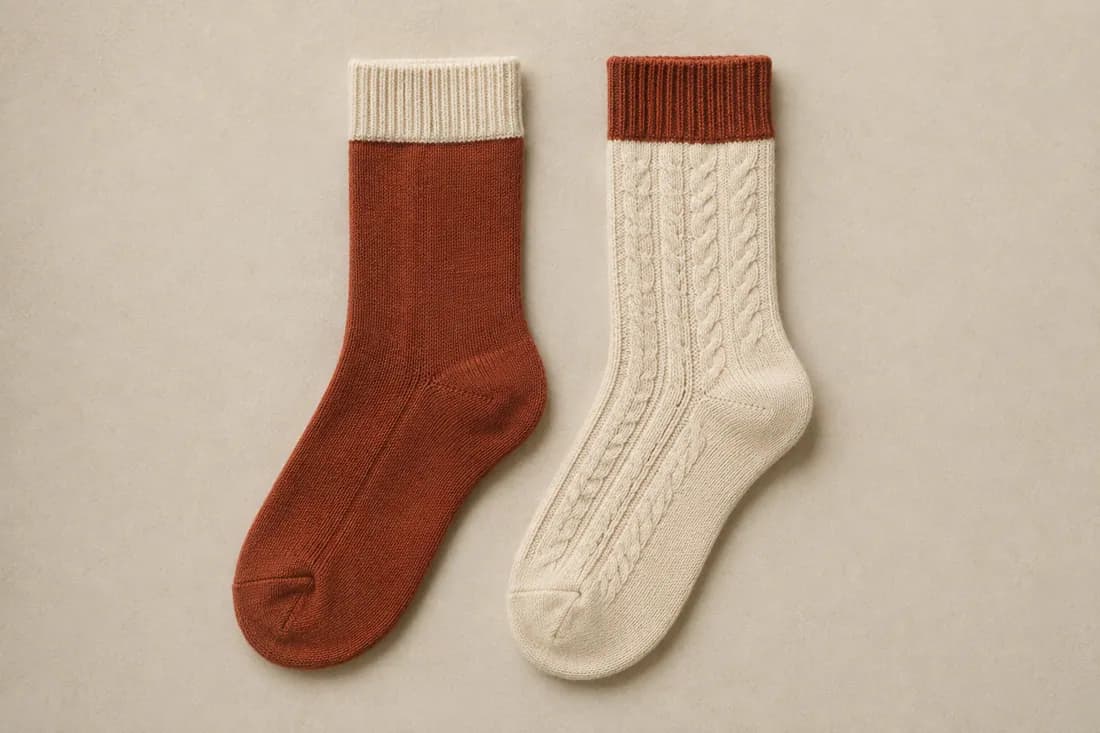
straight swap
Two colours doing the same job on both socks, in reverse. A swap is the clearest form of the rule, and the easiest to spot in your own pile.
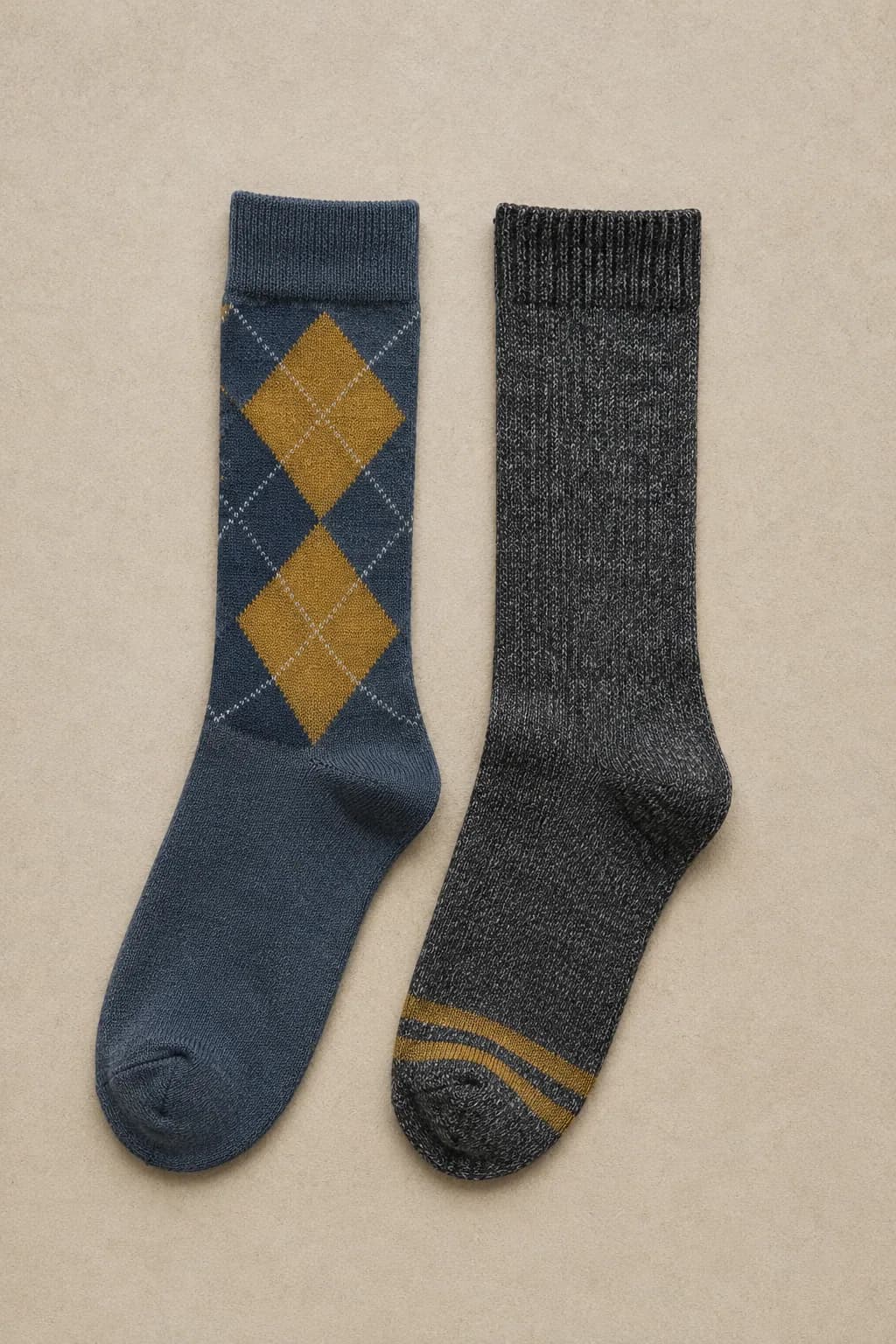
mustard, twice
A pattern colour on one turning up as a plain detail on the other. The repeat is what registers, not where it sits.
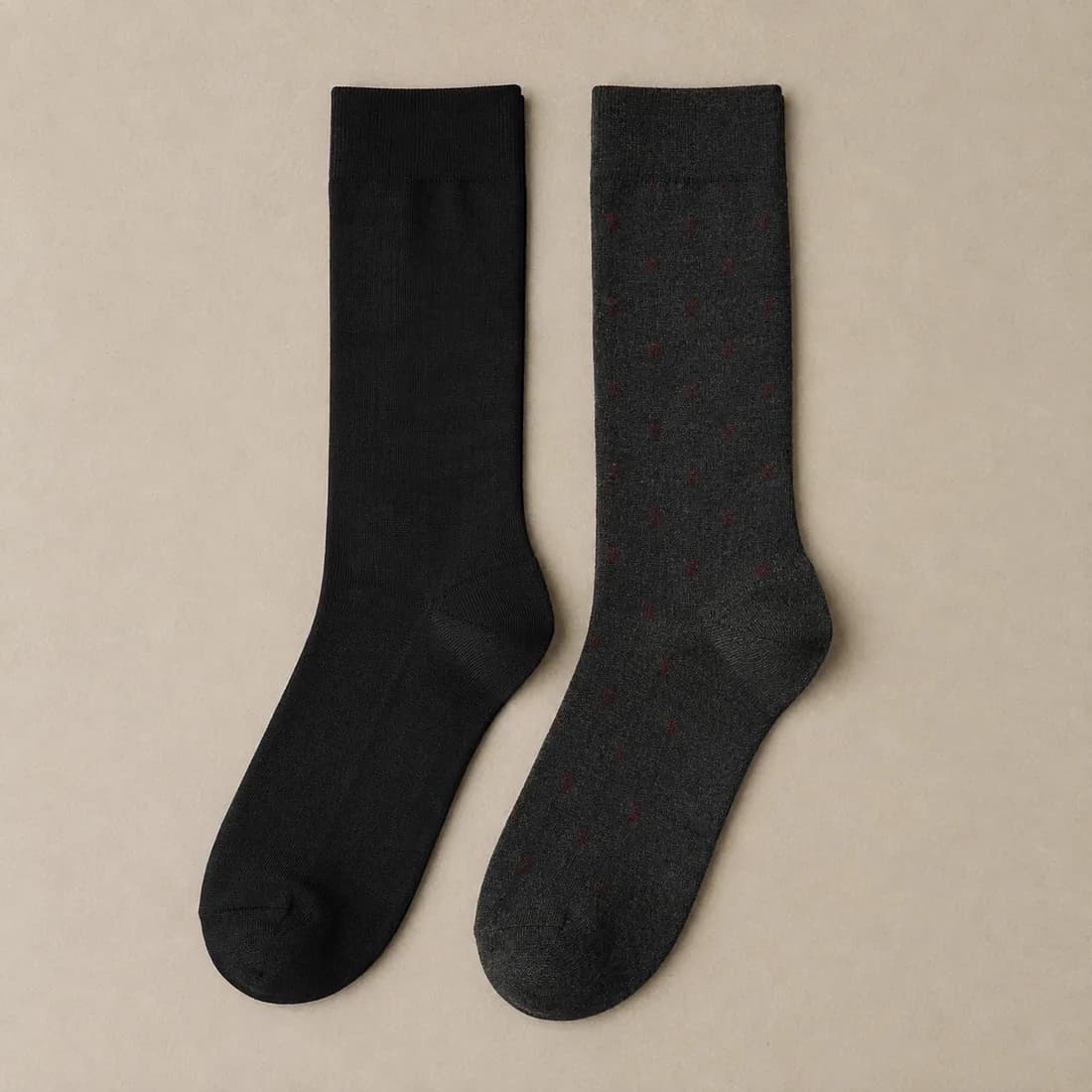
too close
Both fine, both the same length, and a step apart in depth. This is the combination that reads as a mistake, so it is refused rather than offered.
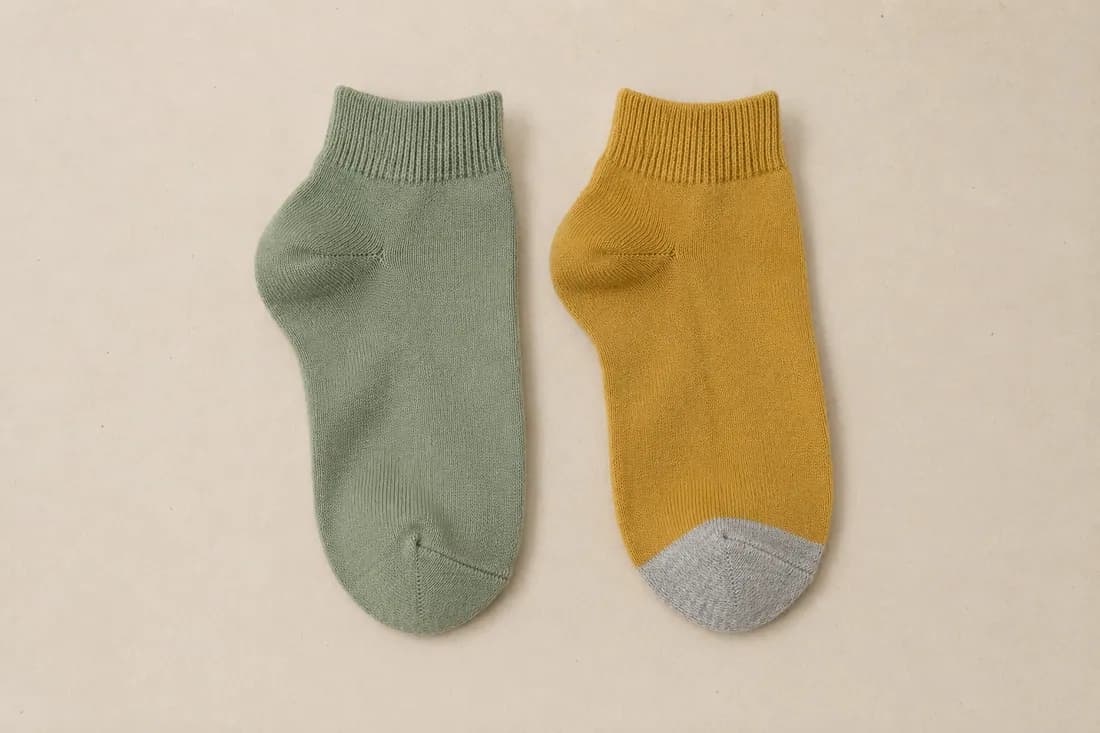
far enough apart
Contrast only works when it is decisive. Two colours this far apart cannot be mistaken for a failed attempt at a match.
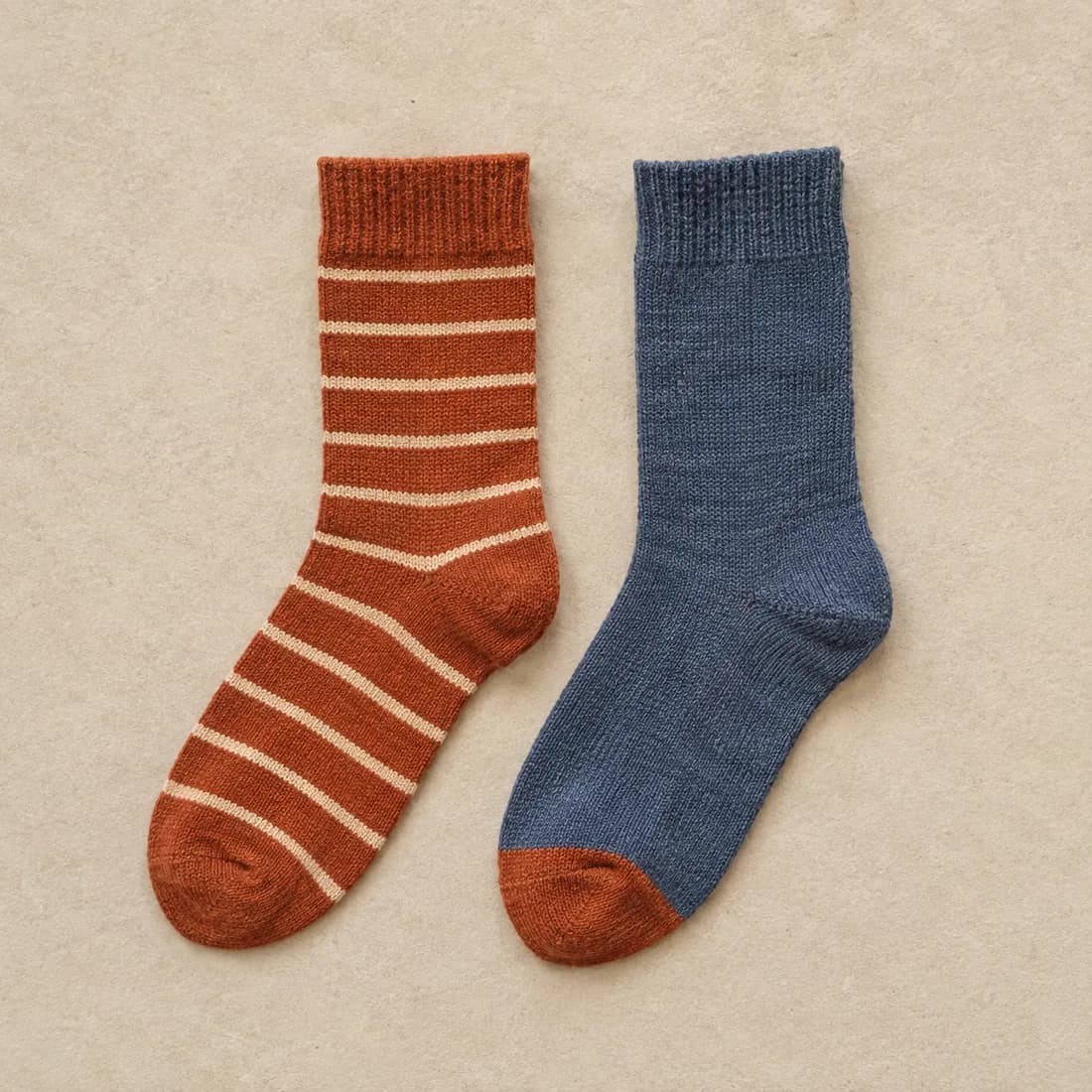
rust, twice
The body colour of one appears as the toe of the other. Look for the smallest patch of colour on a sock — it is usually the hook.
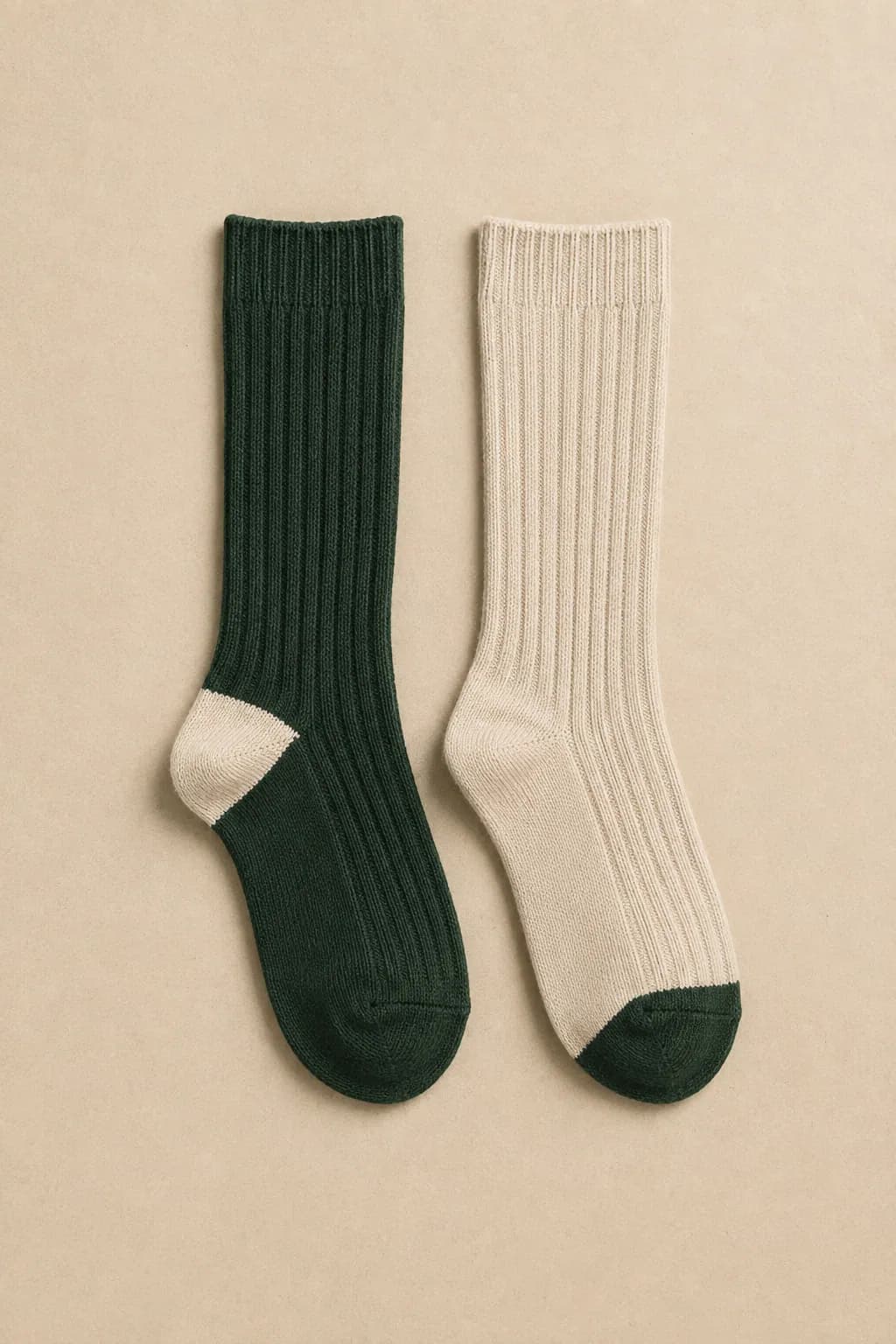
colours change places
Light body with a dark detail against dark body with a light detail. The eye reads the exchange before it reads either sock.
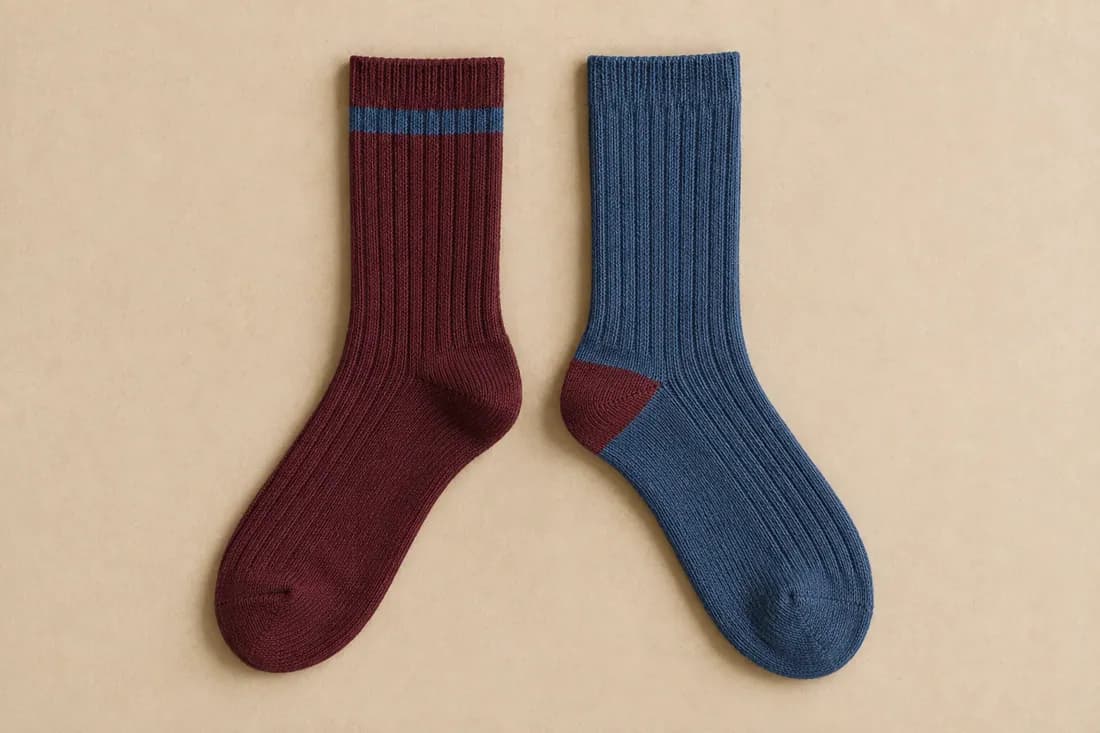
straight swap
Same rule as the brick and cream pair, different colours. That is the point of writing the rule down: it moves.
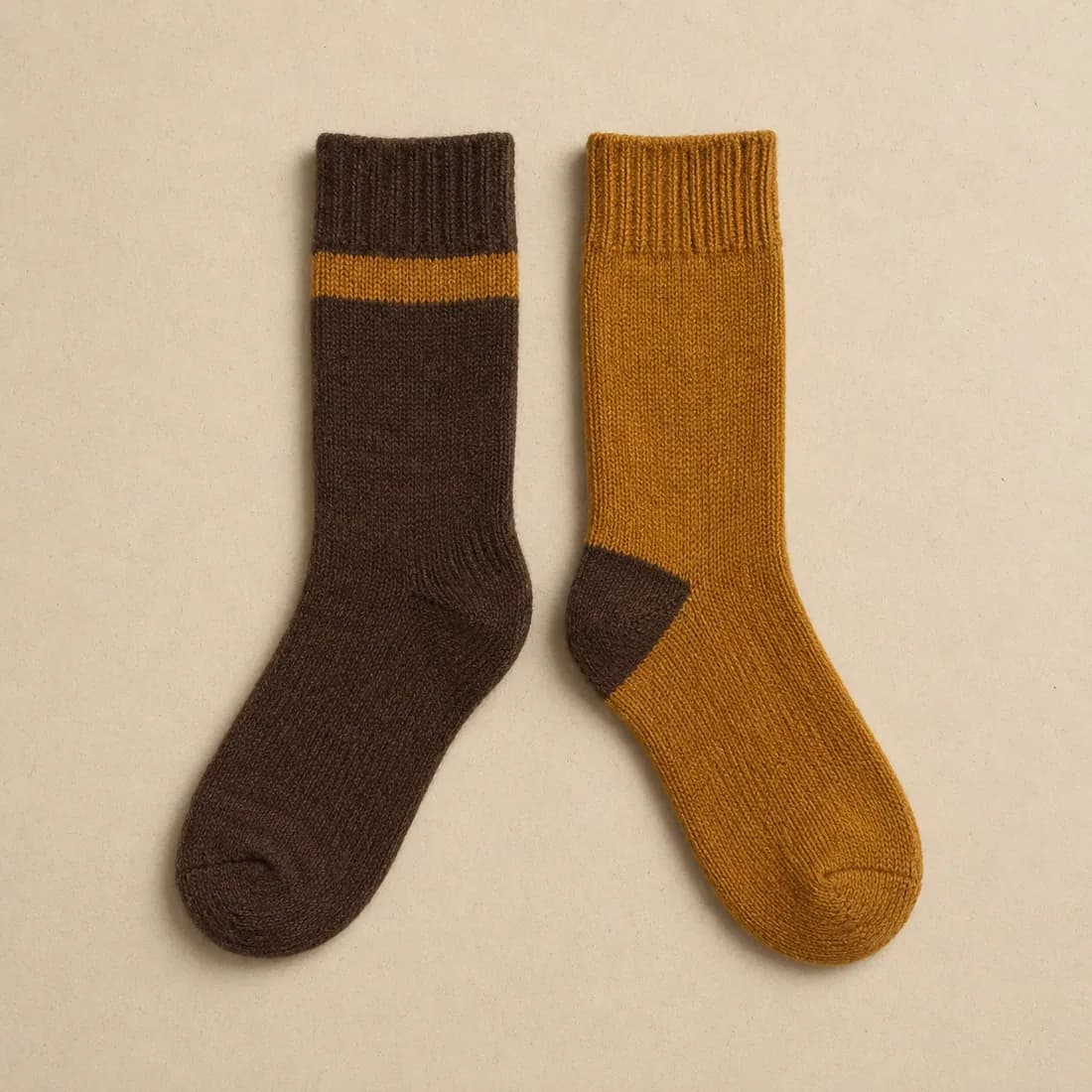
straight swap
Same weight of knit on both, so the pair reads at one thickness. Weight is the quiet half of the job colour gets the credit for.
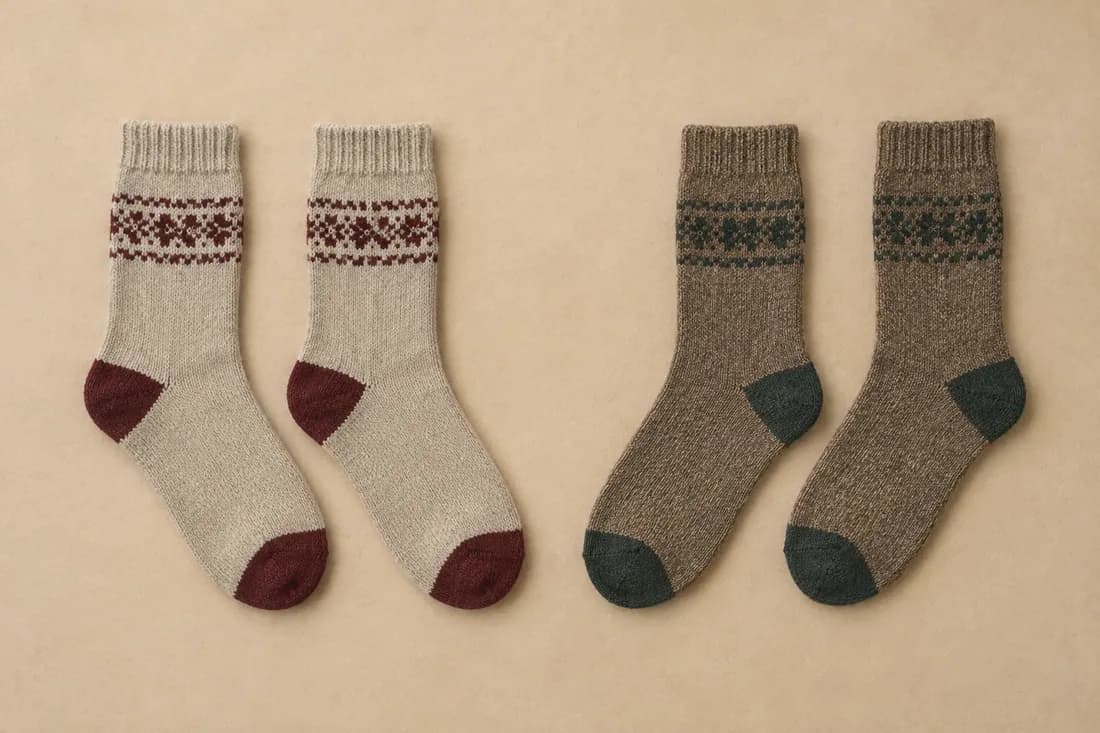
two groups, one pile
A pile does not resolve into one answer. It resolves into groups, and the gaps between the groups are as much a part of the result as the groups.
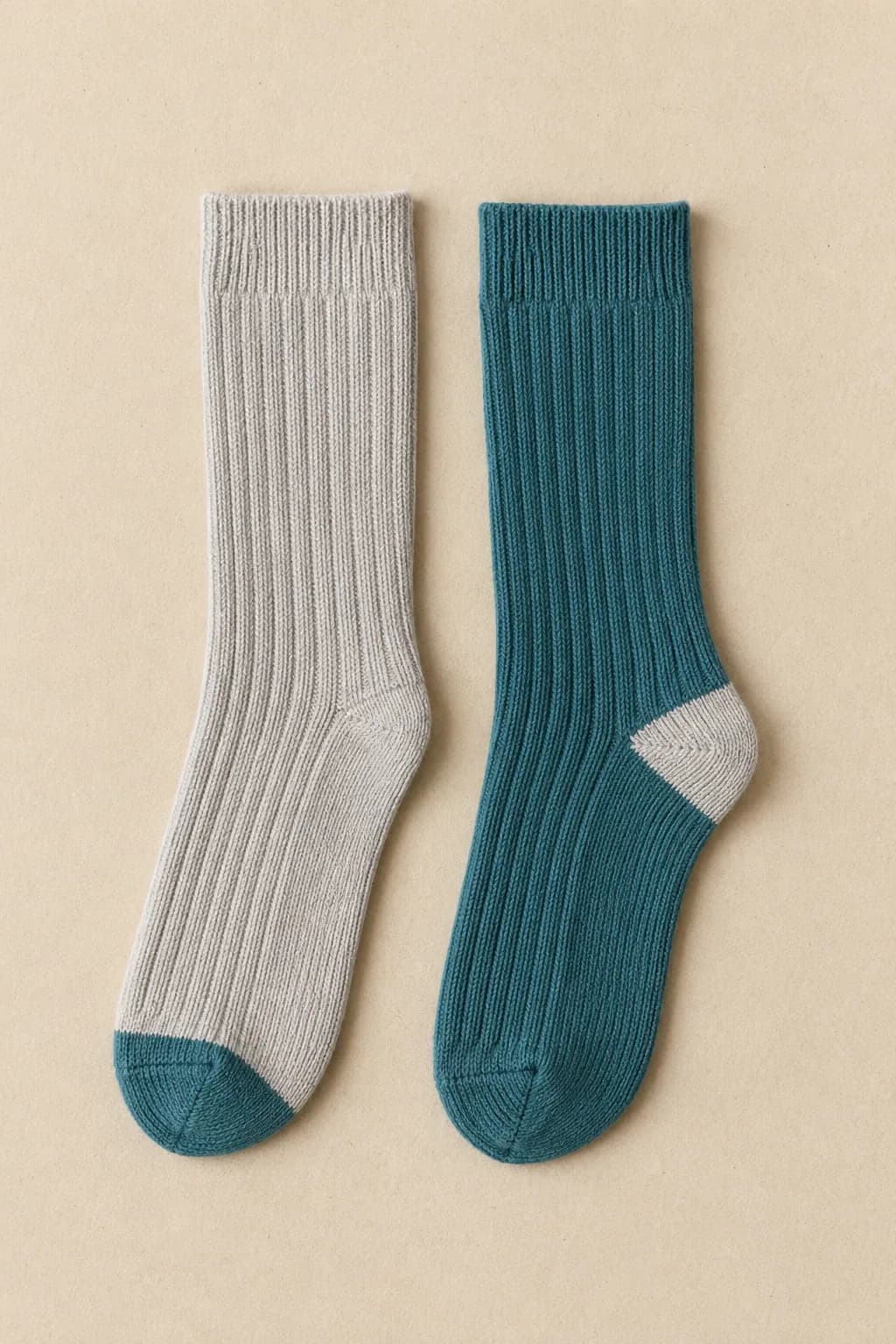
colours change places
Neither colour is loud. The exchange still carries, because what registers is the repetition and not the volume.
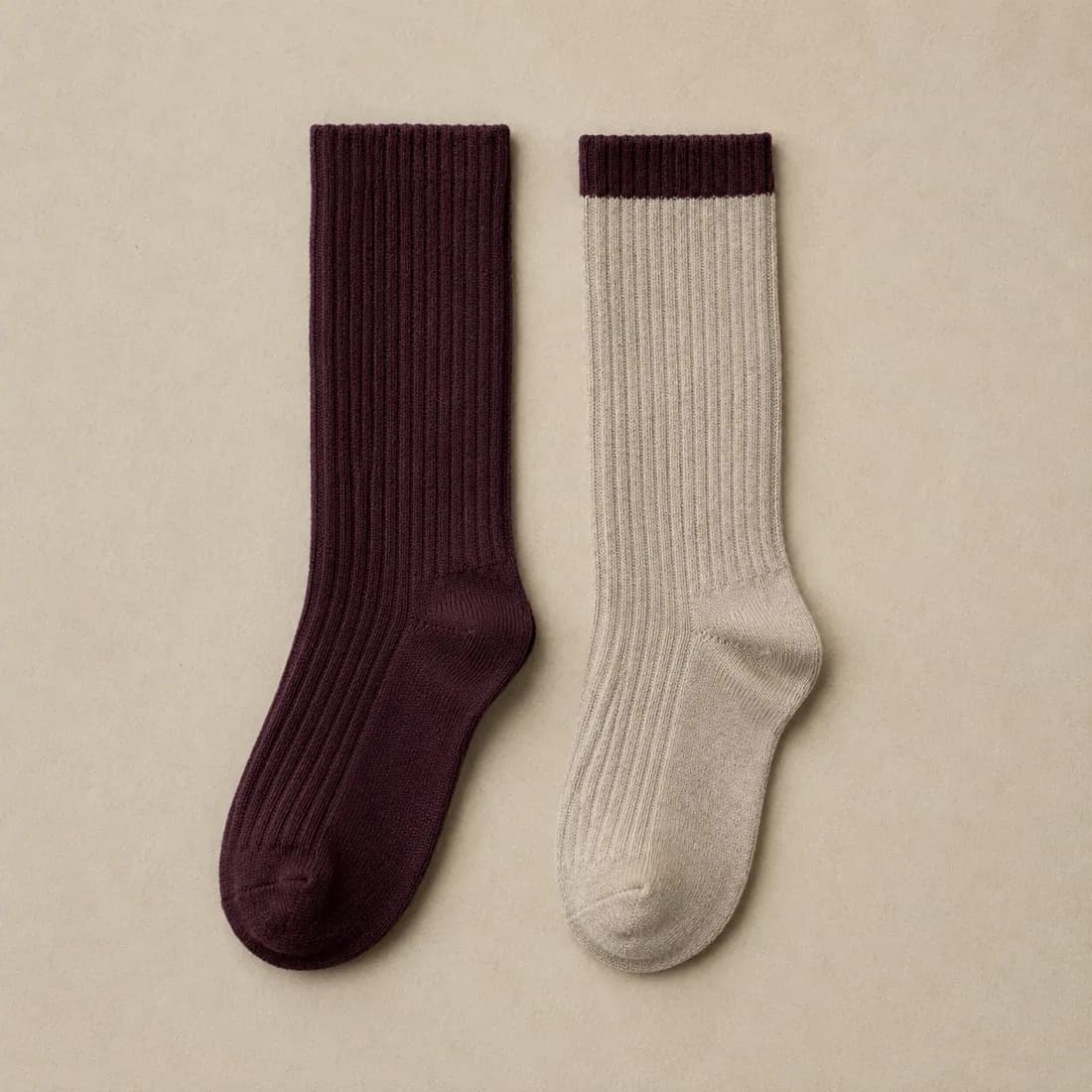
plum, twice
A wide light body against a narrow dark band of the same colour. Size of the patch does not matter; the repeat does.
length
The same blue on both, and it makes no difference. Length is checked before colour, because a mismatch in length shows the moment you stand up.
cuff width
Identical length, identical colour, and a cuff seven millimetres apart. One sits higher than the other the moment you sit down.
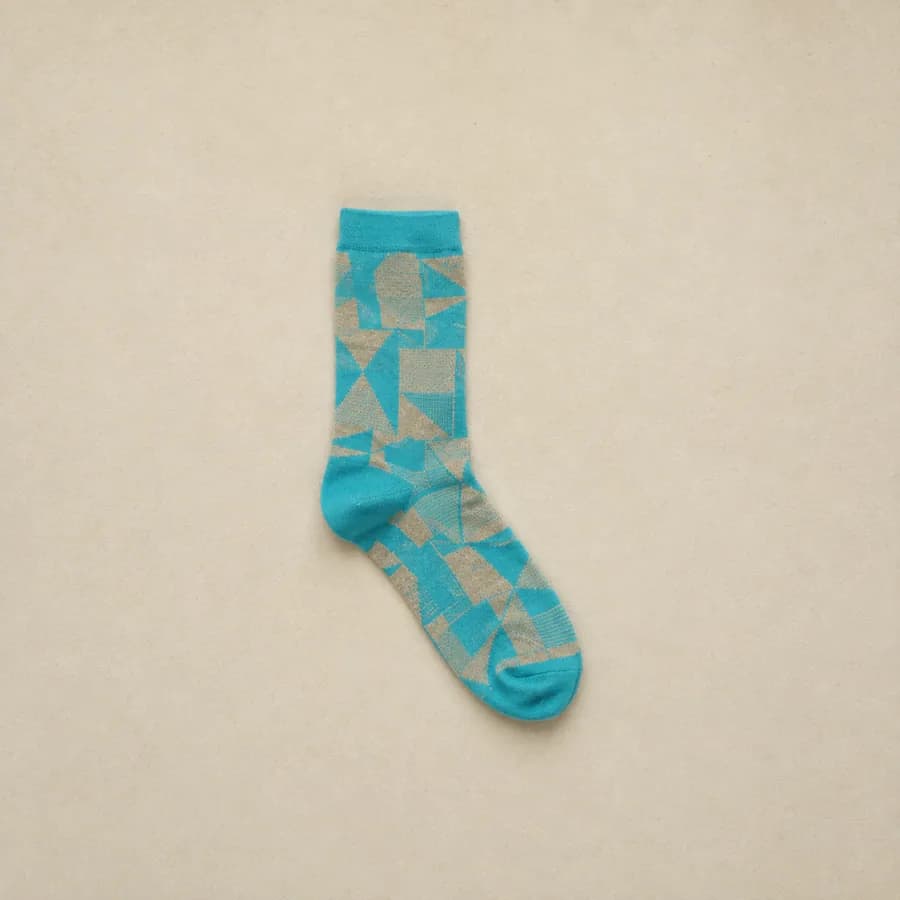
no pair here
Nothing in this pile relates to it. That is the whole finding — this service has no view on what happens next.
Where it stops
Whether it looks good on you is not something a photograph of a drawer can answer, so this service does not try.
Two socks are compared with each other. Nothing is said about how a combination looks on a person, whether it suits an occasion, or whether anyone should wear it.
Nothing worn, no legs, no feet. Uploads that appear to contain a person are refused at the door, and no image the service produces contains one.
No brands, no products, no replacement for the one that went missing, and no suggestion to buy a fresh pair to make up the number.
The socks nothing relates to are named and left there. No disposal advice, no donation route, no resale, no marketplace, no matching you with anyone.
Three plans, no packs, no balance
A real pile is fifteen to thirty singles, and what a pile yields climbs faster than the pile grows: ten singles might give you three pairs, twenty-five might give you nine. Uploading half your pile is not half an answer, it is a worse one — the pairs you are missing are the ones you would have had to leave out.
$0USD / month
no card required · incl. VAT 20%
Enough to see whether your pile has anything worth keeping.
$7USD / month
or $67 USD / year · incl. VAT 20%
For the actual pile. Fifteen to thirty singles is where the arithmetic starts paying.
$21USD / month
or $202 USD / year · incl. VAT 20%
For more than one drawer, and for the singles that keep arriving after the first sort.
All prices in USD and include VAT at 20%. A plan’s monthly allowance resets each period and does not carry forward; there are no credit packs, no top-ups and no stored balance. Full plan comparison and what each action costs.
Questions
Anything else, write to support@wbrewin.shop or call +44 116 236 2020.
No, and this matters more here than in most places. Every photograph carries a colour cast from the light it was taken in and from the camera that took it. Two shades that look a clear step apart on your screen can be the same in daylight, and two that look identical can be a step apart.
The service works from the image you supply and says so on every plan it produces. Where a pair is close, the plan tells you to put the two socks next to each other in daylight and decide with your eyes before you commit to it. The advice is never covered by the free-plan watermark.
Nothing. The service tells you which socks nothing in your pile relates to, and stops there.
It does not suggest where to take them, what to do with them, who might want them, or whether to keep them anyway. It does not recommend a brand, point you at a shop, propose a replacement or connect you with anyone who wants to buy or swap. What happens next is yours to decide, and a photograph of a drawer is not a good basis for anyone else to decide it.
Your photographs are not used to train models — not ours, and not anyone else's. There is no setting to change, because it does not happen.
An uploaded photograph is held for as long as it takes to read the socks in it and produce your plan, and then for 30 days so you can come back to the result. After that it is deleted. You can delete any photograph, any plan and your whole account at any time from your account page, and deletion removes the files rather than hiding them.
The model reads one sock at a time and reports what it sees: the main colour, the accent colours, the pattern, the length and the cuff width. It is not asked which socks go together. That is decided in your browser by rules you can read on this page, so the reasoning is inspectable rather than a matter of trust.
It can misread. A sock partly hidden under another one is read only from what is visible. Wear does not show in a flat photograph, so a thin heel or a stretched cuff will not be picked up. Readings should be checked against the actual socks before you act on them.
You can cancel at any time from the billing page, in the same number of steps it took to subscribe. There is no phone call, no email and no retention conversation.
You have a statutory fourteen-day cancellation period when you subscribe. If you ask us to start the service inside that period and confirm that you understand you lose the right to cancel once it has been fully performed, the right ends at that point — those are two separate boxes at checkout, neither of them ticked in advance, and both are repeated back to you in your order confirmation email. We also give you a fresh fourteen days after each renewal, which is not yet required of us. The detail is on the cancellation page.
No to both. A plan's monthly allowance resets at the start of each period and unused allowance does not carry forward. There are no credit packs, no top-ups and no stored balance of any kind, so nothing you hold has cash value or can be transferred.
If you run out before the period ends, the only route is to move to a larger plan. Credits are a measure of service usage and nothing else.
No. This service compares two socks with each other and nothing else. It makes no judgement about how a combination looks on a person, whether it suits an occasion, or whether it is a good idea.
It does not accept photographs of anyone wearing socks, and it does not produce images of people. Whether it looks good on you is not something a photograph of a drawer can answer.
The service is not for under-13s. Anyone aged 13 to 17 needs the consent of a parent or guardian, and the person holding the account is responsible for it.
Payment requires a card in the name of the account holder or their guardian.
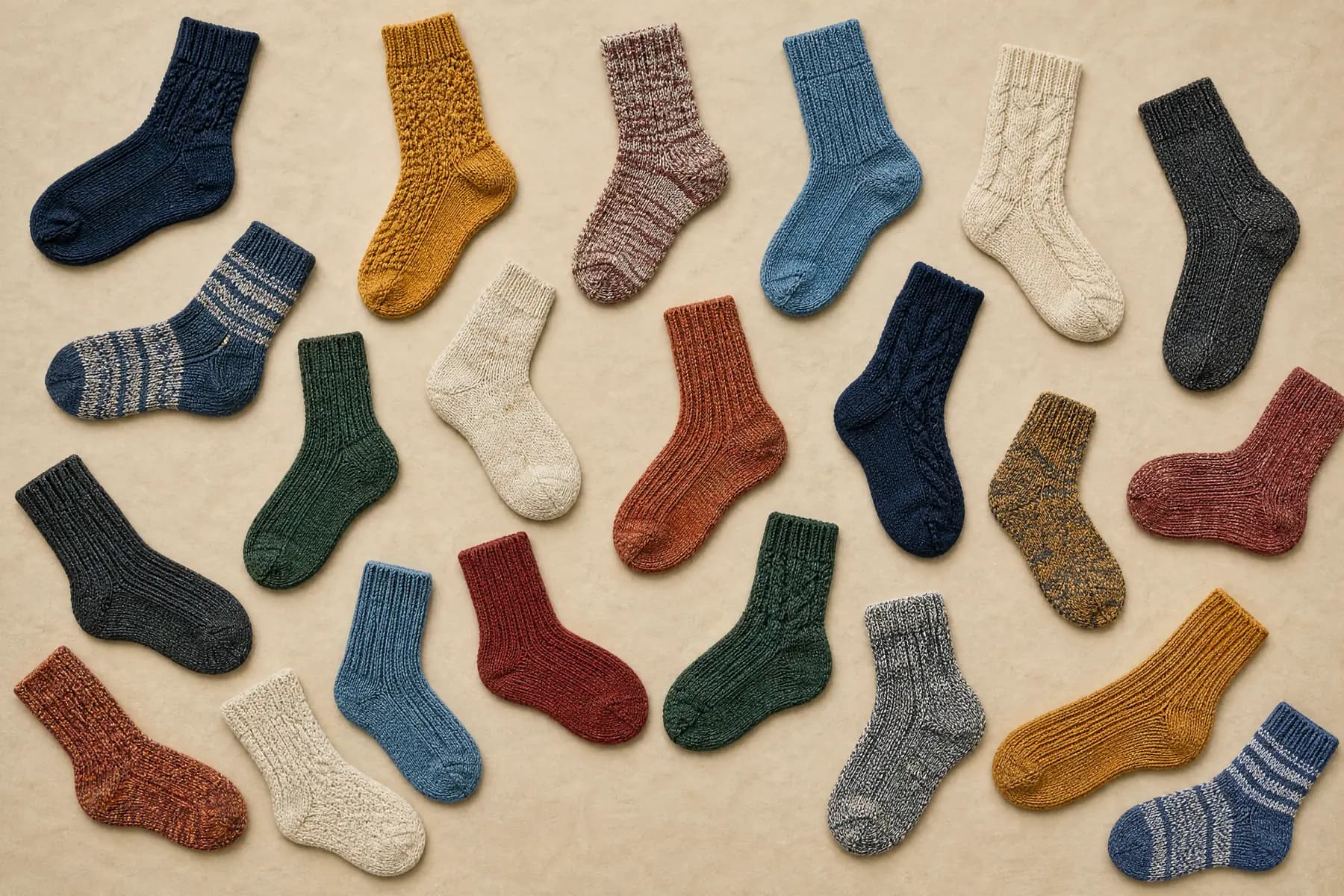
Photograph the pile, see what comes back into use, and find out which few you can stop keeping. The free plan takes ten singles and needs no card.